Problem
Solution
Result
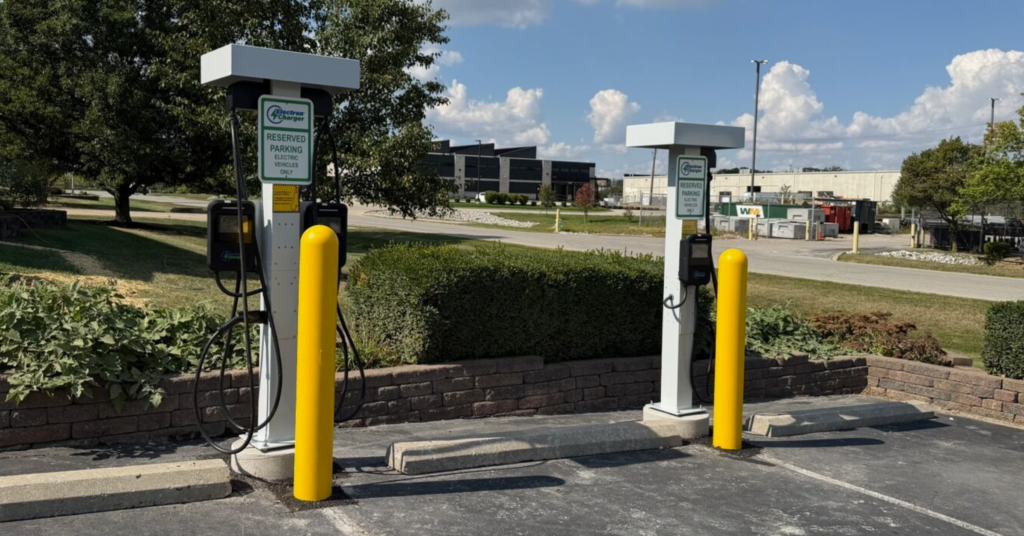
Electron Charger started as a hardware manufacturer and installer, then expanded into operating their own EV charging network. Today, they manage 1,200+ charging ports across the US. They run three commercial models across their sites: direct ownership, a 50/50 revenue share with site hosts, and charging as a service.
To scale those models without scaling admin work, Electron migrated their charging network to Monta. That move standardized how they operate, improved margins, and later helped them outpace competitors when utility funding became a race, securing $800,000 in incentive revenue in just four months.
The Challenge: Manual Work and High Costs
Electron was growing fast, but their legacy backend was not keeping up. Month end turned into a week long scramble led by their Managing Director, manually reconciling charge revenue across multiple commercial models and calculating payouts by hand.
As the network expanded, daily operations became harder too. Without access to live OCPP logs, the team could not quickly diagnose failed charging sessions. In some cases, they had to wait for their old software provider to respond with basic data, slowing support and creating a frustrating experience for both Electron and their site hosts.
The core issue was straightforward: the system relied on manual workarounds that would not scale. High per port pricing and heavy admin started eating into margins and made it harder to stay competitive as deployments increased
The Solution Standardizing How Electron Operates
Electron migrated to Monta in early 2025 to remove the operational bottlenecks that were slowing growth. By automating revenue workflows and improving visibility into their network, the team freed up time previously spent on manual admin and reactive support.
- Monta Wallet: Automatic revenue splits across Electron’s three commercial models, reducing end of month reconciliation and manual payouts
- Monta Control: Real time visibility into OCPP logs so the team can diagnose issues faster and reduce time spent on troubleshooting
- Monta Hub: Pre commissioning chargers in the warehouse before shipping, so hardware arrives on site ready for plug and play deployment
From Reactive Support to Proactive Incident Handling
With Monta in place, Electron moved from reactive support to proactive, automated incident handling.
- Real time email alerts with detailed incident reports give the team immediate context on what is happening at the charger level
- Automated actions, such as hardware reboots after repeated failed sessions, cut out manual intervention and reduce downtime for drivers and site hosts
The Results: Better Margins and $800K in Incentives
With Monta, revenue splits and payouts now run automatically. The team can troubleshoot faster, and chargers ship pre commissioned so sites go live faster with fewer onsite issues.
Electron improved unit economics by:
- Moving off expensive per port software pricing that was eating into their margin
- Cutting the hours it takes to get each site live and fully supported
- Reducing the operational drag from manual reconciliation and back and forths with legacy software
These improvements became a competitive advantage when AES Indiana opened a $1.5M, first come, first served incentive fund that required OpenADR 2.0b certification. Monta stepped in as a partner, working directly with both Electron and the utility to accelerate certification and keep the rollout on track.
The result:
- 95 installations in four months
- $800,000 in incentive revenue captured for Electron before the program window closed
- 35% lower cost per port after migrating to Monta
Electron captured AES Indiana incentives because they could execute faster. With Monta streamlining payouts, diagnostics, and deployment readiness, Electron met utility requirements quickly, deployed at speed, and secured funding while competitors were still stuck in legacy workflows and certification delays