
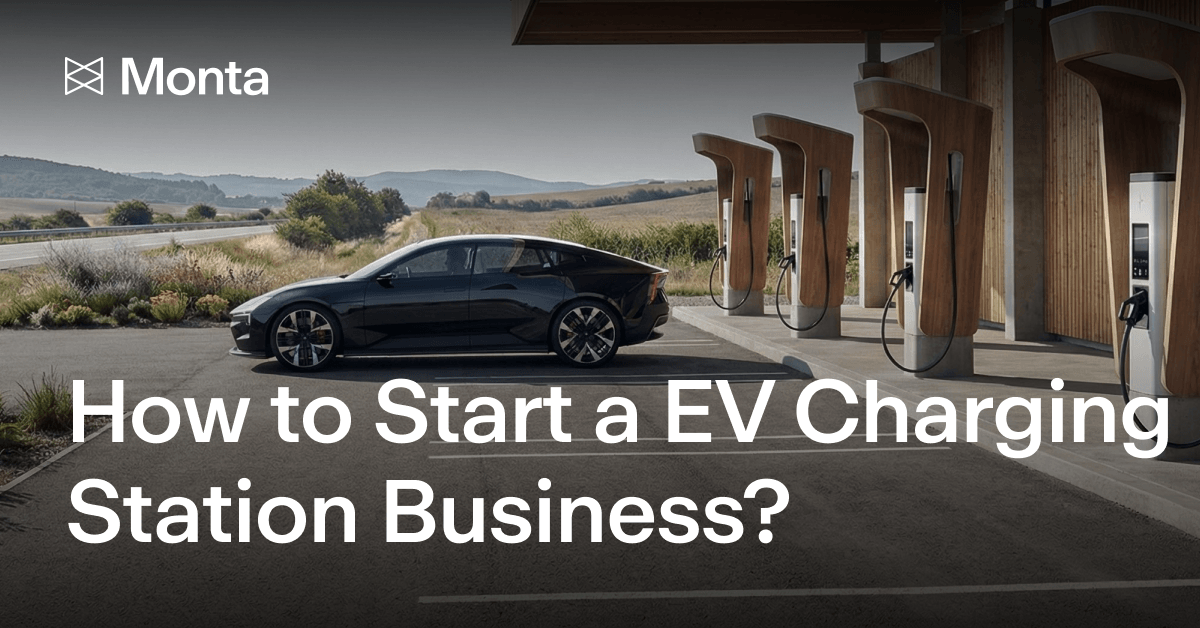
To start a mobile EV charging station business, identify high-demand areas where fixed infrastructure is inadequate, or grid constraints prevent permanent installations. A successful mobile EV charging station business requires procuring skid-mounted or trailer-based rapid chargers capable of delivering high-voltage DC power without a permanent grid connection. Initial startup costs range from $63,000 to $190,000 per mobile unit, depending on battery capacity and charging speed. Feasibility studies focus on temporary event locations, construction sites, or commercial parking lots needing flexible power solutions. Long term profitability hinges on high utilization rates and the ability to move assets to areas with the highest peak demand. Management of portable assets relies on robust backend systems like Monta EV Charging for automated billing and real-time energy tracking.
Start an EV charging station business by following the six steps listed below.
- Market Research and Location Selection. Identify high-traffic zones or areas with limited fixed chargers to maximize potential service calls. Data analysis reveals peak demand times and preferred locations for EV service deployment.
- Choose the Right Type of Charger. Select a rapid DC charger compatible with a wide range of vehicle models to ensure broad market reach. High-output units provide quick turnaround times for emergency roadside assistance and fleet support.
- Secure Permits and Utility Approval. Obtain the necessary business licenses and environmental safety certifications required to transport large-scale battery systems. Coordination with local grid operators ensures compliance with power storage and transport regulations.
- Pricing, Payments, and Software. Integrate a strong billing platform to handle diverse transaction methods and subscription management. Automated systems track energy consumption and manage user accounts without manual intervention.
- Installation and Infrastructure Setup. Customize vehicles with reinforced chassis and advanced cooling systems for heavy battery packs. Secure mounting hardware prevents damage during transit and ensures long-term equipment durability.
- Launch, Marketing, and Operations. Promote services through digital channels and local automotive associations to build brand awareness. Real-time monitoring ensures fleet readiness and maintains optimal battery health, ensuring consistent service delivery.
1. Market Research and Location Selection
Market research involves identifying geographic areas where demand for electric vehicle charging exceeds the current supply of fixed charging stations. The selection of service areas dictates the efficiency of EV units and minimizes travel time between clients. Data-driven assessments highlight corridors with frequent breakdowns or regions with high concentrations of electric vehicle ownership. Detailed demographic studies help predict the growth in charging requirements over the next decade. Optimal locations include highway service gaps, event venues, and residential complexes lacking private parking. The accuracy of spatial analysis remains the primary driver for long-term operational success in the sector.
2. Choose the Right Type of Charger
Choosing the right charger involves balancing power output with vehicle payload capacities and electrical safety requirements. The selection of compatible equipment ensures the business serves the broadest range of electric vehicle owners. EV units use DC fast chargers or heavy-duty AC Level 2 systems, depending on target charging speed requirements. High-efficiency inverters manage the flow of electricity from storage batteries to the vehicle receiving the charge. Ruggedized hardware protects sensitive electronic components from the vibration and temperature fluctuations experienced during transit. The durability of the equipment directly impacts the total cost of ownership for the charging fleet.
3. Secure Permits and Utility Approval
Securing permits entails meeting local safety standards for transporting high-capacity lithium-ion batteries on public roads. Approval from power grid operators facilitates the safe recharging of EV units at designated base stations. Regulatory compliance procedures require detailed documentation regarding fire suppression systems and hazardous material handling. Coordination with local councils ensures that EV operations do not interfere with standard traffic flow or public safety. Necessary documentation includes fire safety certifications, hazardous material transport licenses, and standard commercial operation permits. Adherence to these legal frameworks prevents costly delays and potential fines during the business rollout phase.
4. Pricing, Payments, and Software
Pricing and software integration involve setting competitive rates based on energy delivery or service duration. Digital payment gateways provide users with immediate access to power without complex manual processes or physical cash handling. Companies implement flat call-out fees, tiered membership subscriptions, or per-kWh consumption rates to generate revenue. Cloud-based platforms allow operators to track fleet location and battery status from a centralized dashboard. Seamless user interfaces encourage repeat business by simplifying the booking and payment experience for electric vehicle drivers. The choice of software determines the enterprise’s scalability and administrative efficiency.
5. Installation and Infrastructure Setup
Installation and infrastructure setup focuses on mounting battery storage units and inverters into specialized service vehicles. Proper structural reinforcement protects sensitive electronic components from vibration and impact during travel on varied road surfaces. Essential hardware includes thermal management systems, heavy-duty cabling, and full power delivery modules. Custom ventilation systems prevent heat buildup in the vehicle during high-speed charging. Integration of GPS tracking and telematics assists in real-time fleet management and route optimization. The quality of the initial build defines the reliability of the EV charging infrastructure units.
6. Launch, Marketing, and Operations
Launching operations involves activating the fleet and initiating customer outreach programs to capture market share. Effective marketing establishes trust within the electric vehicle community and highlights the convenience of on-demand power. Daily routines include battery health checks, route optimization, and customer support management to ensure high service standards. Partnerships with local breakdown services provide a steady stream of referrals for emergency charging situations. Consistent branding across the fleet increases visibility and reinforces the professional image of the service provider. The success of the launch phase depends on the seamless execution of the pre-planned operational protocols.
What Is a Mobile EV Charging Station Business?
A mobile EV charging station business provides paid access to services (on-demand charging and event support) through portable power units. Infrastructure-based service models rely on high-capacity batteries to deliver energy in locations lacking permanent grid connections. Portable units operate at construction sites, music festivals, or commercial parking lots to meet temporary demand spikes. Revenue is generated through charging fees and service contracts for flexible energy delivery. Movable assets offer a versatile alternative to fixed stations by bypassing grid upgrade delays. The EV Charging Station Business model addresses the immediate needs of underserved markets.
How Much Does an EV Charging Station Startup Cost?
EV charging station startup costs range from $50,000–$150,000 per EV unit. The cost varies based on equipment quality and vehicle specifications. Procurement of high-capacity batteries accounts for a major portion of the initial budget. Customizing service vans with safety features and heavy-duty suspension adds substantial overhead to the project. Ongoing expenses include insurance, electricity procurement, and regular vehicle maintenance. Long-term budget planning must include maintenance and charging-station infrastructure costs.
Is a Commercial EV Charger Installation Expensive?
Yes, commercial EV charger installations are expensive due to complex electrical requirements and the need for grid upgrades. Upgrading connections to support high-voltage units necessitates significant labor and material expenses for the operator. Hardware costs for rapid units exceed standard residential models by a wide margin. Permitting fees and site preparation further escalate the total financial commitment for new sites. Proper planning reduces the financial burden of deploying a commercial EV charger.
Is Owning Electric Charging Stations a Good Long-Term Investment?
Yes, owning electric charging stations is a good long-term investment as global vehicle adoption rates increase. Consistent growth in the electric transport sector drives steady demand for reliable power sources. Recurring revenue from charging fees provides a stable cash flow for well-located assets. Partnerships with fleet operators offer guaranteed utilization rates over extended periods. Sustainability initiatives improve the asset value of the EV Charging Station Business.
How to Scale a Mobile EV Charging Station Business?
To scale a mobile EV charging station business, follow the five steps listed below.
- Expand the Service Fleet. Adding more portable units allows the business to serve multiple locations simultaneously. Increased asset numbers improve brand visibility and market share within a specific region.
- How Do Mobile EV Charging Stations Make Money?. Upgrading to higher voltage power electronics reduces the time vehicles spend at the station. Faster turnover rates increase the total number of sessions possible during peak demand periods.
- Form Strategic Partnerships. Collaboration with fleet operators and logistics companies secures long-term service contracts. Partnerships provide a stable revenue stream and predictable usage patterns for the mobile units.
- Standardize Installations. Using modular hardware components simplifies maintenance and reduces repair times across the entire fleet. Standardized setups allow for faster deployment of new units as the business expands.
- Leverage Advanced Software. Centralized management platforms track every transaction and battery level from a single dashboard. Software integration supports efficient scaling by automating administrative tasks and billing.
What Is the Best Location for an EV Charging Station?
The best location for an EV charging station is listed below.
- High-Traffic Transport Corridors: Busy highways and arterial roads provide constant access to long-distance travelers needing top-up charges during journeys.
- Urban Areas With Limited Off-Street Parking: Densely populated city centers serve residents unable to install private charging equipment at home.
- Commercial Shopping Hubs: Retail centers are the best locations for EV charging stations because they attract drivers who prefer charging their vehicles while running errands or dining.
- Major Transport Terminals: Airports and railway stations offer opportunities to serve vehicles parked for extended durations by travelers.
Can Small Businesses Own EV Charging Stations?
Yes, small businesses can own EV charging stations. Find significant opportunities in owning EV charging stations by catering to local niche markets. Flexible business models allow for modest initial setups that expand over time as demand grows. Grant schemes and tax incentives reduce the financial barriers for smaller enterprises entering the green energy sector. Local expertise helps small operators identify underserved zones within their specific communities. EV solutions offer a lower entry cost than fixed, high-power installations.
How Do Mobile EV Charging Stations Make Money?
Mobile EV charging stations make money by charging users for energy consumption or through service contracts for dedicated power delivery. Revenue-generating models include per-kilowatt-hour fees, session-based pricing, and daily rental rates for events. High utilization rates at peak times ensure that income exceeds the logistics and electricity operating costs. Subscriptions for fleet operators provide a predictable monthly revenue stream for the business. Partnerships with roadside assistance companies offer additional income through emergency energy support. Strategic pricing based on location demand maximizes the profit potential of every portable unit.
How Do EV Charging Business Models Generate Revenue?
EV charging business models generate revenue by monetizing the gap between wholesale electricity prices and retail delivery rates. Transactional billing based on energy consumed remains the most common method of income for EV operators. Time-based fees incentivize rapid turnover at high-demand EV units and prevent idling. Advertising partnerships on vehicle exteriors provide secondary sources of funding for the fleet. Diverse income streams ensure the stability of various EV charging business models.
Is an EV Charging Station Business Profitable?
Yes, an EV charging station business becomes profitable once utilization rates reach a specific break-even threshold. Rising fuel prices and government mandates for zero-emission vehicles drive more users toward electric alternatives. Low operational overheads for automated units contribute to healthy bottom lines for the owners. Strategic placement and premium service pricing improve the speed of reaching financial maturity. High demand in underserved regions makes EV charging stations profitable.
What Permits Are Required to Open an EV Charging Station?
Permits required to open an EV charging station are listed below.
- General Commercial Trading Licenses: Every operator requires a standard business license to open an EV charging station and to conduct legal commercial activities within a specific jurisdiction.
- Hazardous Material Transportation Permits: Large-scale lithium battery systems are subject to specific transport regulations for heavy goods vehicles. Certification confirms the business follows strict safety protocols for moving high-voltage energy storage units.
- Fire Safety Certifications: Portable charging systems undergo rigorous testing to ensure they meet heat management and emergency response standards. Fire marshals approve the deployment of mobile units at public events and construction sites.
- Utility Recharging Approvals: Power providers authorize the base station locations where mobile units connect to the grid for recharging. Compliance with grid safety standards prevents damage to the local electrical infrastructure.
How Long Does It Take to Set Up an EV Charging Station Business?
Setting up an EV charging station business takes between six months and one year. Initial phases focus on market research and the procurement of specialized vehicles for the fleet. Hardware customization and battery integration require a 6-month lead time from equipment manufacturers. Obtaining necessary permits and safety clearances constitutes the most time-consuming portion of the development timeline. Final testing and staff training ensure the fleet is ready for professional deployment.
Do I Need a License to Operate an EV Charger?
Yes, you need a license to operate an EV charger. Operators require licenses to legally offer vehicle charging services to the general public. Business registration and trade licenses form the foundation of legal operation in most regions. Technical certifications from electrical authorities ensure the equipment meets rigorous safety and performance standards. Liability insurance policies provide protection against potential damages during the charging process. Compliance with data protection laws remains mandatory for businesses handling customer payment information.
Summary:
Establishing an EV charging station business requires strategic planning and an understanding of the current energy transition. Thriving enterprises anticipate trends and adapt to the growth of the electric vehicle market. Financial support in the form of grants and incentives exists to offset initial capital investments. Choosing the right business model remains a foundational step for long-term profitability. Successful operators prioritize high traffic locations and reliable infrastructure. Maintenance and technical support ensure high uptime and customer satisfaction. Adherence to regional regulations prevents penalties and guarantees accessibility. Future-proofing through scalable hardware and renewable energy integration protects the asset value. Software platforms manage the complex data and payment systems required for a seamless driver experience.