
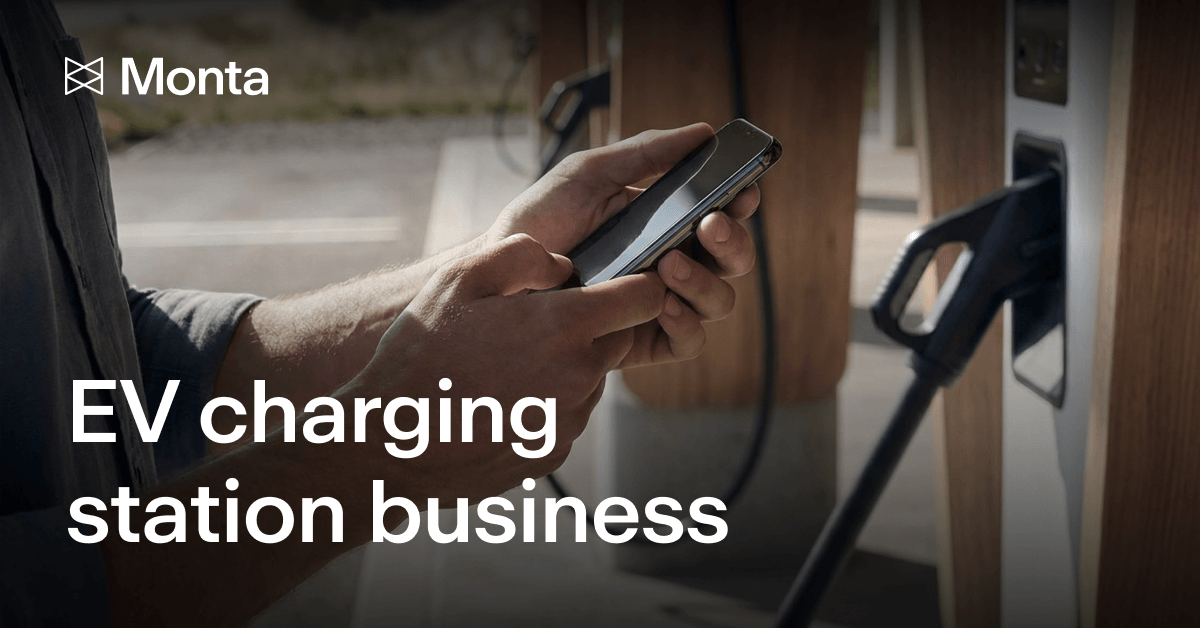
The EV charging station business is a critical infrastructure segment within the global transition towards sustainable mobility. Rapid adoption of electric vehicles requires a dense network of reliable charging points across urban and rural areas. Investors view the sector as a long-term service opportunity providing essential energy to a growing demographic of eco-conscious drivers. Fixed installations at retail hubs, motorways, and residential complexes facilitate daily travel whilst reducing carbon footprints. Clean transportation goals depend heavily on the availability of high-speed charge points and user-friendly software interfaces. Success in the market requires strategic site selection and robust equipment procurement to meet increasing demand. Financial viability stems from high utilisation rates and diverse revenue streams associated with the EV charging station business. Scalability enables operators to expand fleets as technology improves and vehicle ranges increase in the charging-station business. Professional management ensures maximum uptime and customer satisfaction within the EV charging stations business.
What is an EV charging station business?
An EV charging station business is an enterprise that owns, operates, and maintains electrical supply equipment for vehicle recharging. EV charging station businesses provide a vital link between the power grid and electric vehicle owners requiring energy away from home. Revenue generation involves charging users for the amount of electricity delivered or the time spent at the unit. Commercial operations integrate with existing businesses (shopping centres or hotels) to improve customer service. Modern platforms utilise cloud-based software to manage payments, monitor hardware health, and track usage data. Reliable service delivery remains the core product of this infrastructure-heavy industry.
How does an EV charging station business work?
An EV charging station business works by installing specialised hardware connected to the local electrical grid. Drivers access the units via mobile applications or radio frequency identification (RFID) cards to initiate power transfer. Sensors within the charge point communicate with the vehicle battery to deliver the appropriate voltage and current safely. The software backend records the transaction and processes the payment through integrated financial gateways. Regular maintenance schedules ensure the physical equipment remains functional and safe for public use. Network operators monitor real-time data to optimise energy distribution and identify potential hardware faults.
What are the EV charging station business models?
The EV charging station business models are listed below.
- Owner-operated model: The business owner purchases the equipment and retains all revenue generated from the charging sessions. Full control over pricing and maintenance schedules rests with the proprietor, whilst they bear all operational risks.
- Host-owned model: Property owners install charge points to attract visitors, whilst a third-party provider manages the software and billing. Revenue-sharing agreements allow the host to benefit from foot traffic without handling complex technical management.
- Network-managed model: A dedicated charging network installs hardware on a host site and manages the entire customer experience. The host receives a lease payment or a small percentage of profits in exchange for providing the physical space.
- Subscription-based model: Users pay a monthly fee for unlimited or discounted access to a network of charge points across multiple locations. The approach builds customer loyalty and provides predictable recurring revenue for the EV charging station business model.
How does an EV charging station business model work?
An EV charging station business model works by defining the relationship between the site host, the equipment owner, and the end user. Financial structures dictate who pays for the initial installation and who receives the ongoing profits. Models focus on high-margin rapid charging for motorways, whilst others prioritise low-cost level 2 charging for workplaces. Automated billing systems calculate energy costs based on real-time grid prices or fixed tariff rates. Software platforms coordinate these interactions to ensure transparency and efficiency for all stakeholders involved.
What is the best EV charging business model?
The best EV charging business model depends on the investor’s specific goals and the target location’s characteristics. High-traffic motorway sites favour owner-operated rapid charge points due to their high turnover and the potential for premium pricing. Workplace environments benefit from host-owned models that prioritise employee retention. Scalability is highest in network-managed models where branding consistency attracts a loyal user base. Maximum profitability comes from owning the assets outright in areas with high demand and low competition. Every successful venture balances initial capital expenditure with projected utilisation rates.
How to start an EV charging station business?
To start an EV charging station business, follow the six steps listed below.
- Conduct thorough market research. Identify areas with high electric vehicle registration numbers and limited existing charging infrastructure. Analysis of local competition helps in determining the most profitable gaps in the current market.
- Select strategic locations. Choose sites with high visibility and proximity to amenities (cafes or retail stores) to improve the user experience. Secure long-term lease agreements or property rights to ensure the permanence of the installation.
- Obtain necessary permits. Apply for electrical and building permits from local authorities to ensure compliance with safety regulations. Coordination with grid operators confirms that the existing power capacity supports the intended hardware.
- Procure high-quality hardware. Purchase charge points that are compatible with multiple vehicle standards and offer future-proof power outputs. Reliability and durability are essential factors in reducing long-term maintenance costs.
- Install and integrate software. Deploy a powerful management platform to handle user authentication, payments, and remote monitoring. Proper software integration allows for seamless scaling as the number of stations grows.
- Launch marketing campaigns. Promote the new charging points through digital maps and local community groups to attract initial users. Consistent branding and high service levels encourage repeat visits during the how-to-start EV charging business journey.
How to choose the right location for an EV charging business?
To choose the right location for an EV charging business, follow the four steps listed below.
- Evaluate power availability. Assess the local grid capacity to determine if the site supports high-speed DC charge points without expensive upgrades. Proximity to substations significantly reduces the costs associated with cabling and infrastructure.
- Analyse traffic patterns. Use data to identify roads with high daily vehicle counts and frequent congestion. Higher traffic volume increases the likelihood that drivers need a top-up charge during their commute.
- Check proximity to amenities. Locate charge points near restaurants, shopping centres, or parks where drivers spend time comfortably. Dwell time at nearby businesses provides an added incentive for drivers to choose a specific station.
- Assess site visibility. Ensure the charge points are easily visible from main roads and well-signed to guide motorists. Easy access and clear exit routes improve the convenience and safety of the location.
Who can own an EV charging station?
A businessman with the necessary capital and property rights can own an EV charging station. Private individuals install units at residential properties for personal use or small-scale rental. Commercial property owners (mall managers and hoteliers) deploy charge points to improve their existing services. Fleet operators own private stations to power their electric delivery vans or corporate cars. Municipalities and local councils invest in public charging to meet environmental targets and support local residents. Energy companies own large networks to expand their presence in the renewable energy sector.
What is the cost of building an EV charging station?
The cost of building an EV charging station is between [£2,000–£5,000 ($2,500–$6,400, €2,300–€5,800)] per unit for standard AC charge points for commercial use. The cost varies based on the type of charge point and the extent of required electrical upgrades. Rapid DC charge points require a much higher investment, ranging from [£25,000–£80,000 ($32,000–$100,000, €29,000–€93,000)], depending on power output. Civil engineering works (trenching and paving) add significant labour expenses to the total budget. Permitting and grid connection fees further increase the developer’s initial financial outlay. Accurate budgeting must account for hardware, labour, and EV charging station infrastructure costs.
How much does a commercial EV charging station cost?
A commercial EV charging station costs between [£5,000–£10,000 ($6,400–$12,700, €5,800–€11,700)] including installation for dual-socket AC charging pedestals. The cost depends on the number of sockets and the speed of the charging hardware. High-power hubs with multiple rapid charge points exceed [£200,000 ($250,000, €230,000)] for a complete site setup. Ongoing software fees and maintenance contracts represent additional operational costs for the business owner. Incentives and grants offset a portion of the costs of a commercial EV charging station.
Are EV charging stations profitable?
Yes, EV charging stations are profitable when they achieve high utilisation rates in locations with significant traffic. Profits accumulate from the margin between wholesale electricity costs and the retail price charged to customers. Strategic placement near amenities encourages longer stays and higher energy consumption per session. Membership programmes and advertising on digital screens provide secondary revenue streams that enhance the financial return. Government subsidies shorten the time required to achieve a full return on investment.
What factors affect EV charging station profitability? Factors affecting profitability include the initial cost of hardware and the frequency of daily charging sessions. Electricity price fluctuations impact the margins if the operator does not use dynamic pricing models. Maintenance requirements and equipment uptime directly influence the ability to generate consistent revenue. Site location determines the visibility and accessibility for potential customers in the area. High competition from nearby free charge points temporarily lowers the earning potential of paid units. Strategic planning ensures that EV charging stations’ profitable units remain viable.
What are the benefits of EV charging stations for businesses?
The benefits of EV charging stations for businesses are listed below.
- Attract new customers: Providing charging facilities draws electric vehicle owners who specifically search for businesses with these amenities. Drivers spend money at the host establishment whilst their vehicles charge.
- Increase customer loyalty: Regular visitors return to locations where they reliably power their cars during their visit. The convenience builds a strong bond between the brand and its eco-conscious clientele.
- Improve sustainability branding: Installing charge points demonstrates a commitment to environmental responsibility and corporate social responsibility goals. A green image appeals to modern consumers and potential investors interested in sustainability.
- Generate additional revenue: Businesses earn a direct profit from charging fees or through revenue-sharing agreements with network providers. The passive income stream complements the primary business activities without requiring significant daily management.
Why should businesses install EV charging stations?
Businesses should install EV charging stations because they help to stay competitive in an increasingly electrified transport market. Offering the service prevents customers from choosing competitors who provide more convenient infrastructure. Companies with large fleets reduce their long-term fuel costs by transitioning to in-house electric charging. Employee satisfaction increases when workplaces provide easy access to power for personal electric vehicles. Meeting environmental regulations avoids potential fines and positions the company as a leader in the green transition. Future-proofing the property increases its market value and appeals to high-value tenants.
What types of businesses benefit most from EV charging stations?
The types of businesses that benefit most from EV charging stations are listed below.
- Retail and shopping centres: Outlets with long dwell times allow customers to gain a significant range whilst they shop. Increased foot traffic drives higher sales across all retail categories.
- Hotels and hospitality: Overnight guests require reliable charging to ensure their vehicles are ready for the next day of travel. The amenity is a deciding factor for travellers when booking accommodation.
- Workplaces and office parks: Employees benefit from the convenience of charging during their shift, which supports corporate sustainability initiatives. High utilisation during business hours ensures a steady return on the infrastructure investment.
- Residential property managers: Adding charge points to apartment complexes attracts high-quality tenants and increases the desirability of the rental units. These are the primary types of businesses that benefit from EV charging stations in urban areas.
Is EV charging worth it for small businesses?
Yes, EV charging is worth it for small businesses looking to differentiate themselves from local competitors. Small cafes or independent shops attract niche customers who value the convenience of a top-up charge. Government grants frequently cover a large portion of the installation costs for smaller enterprises. Increased time spent on the premises by charging customers leads to higher average transaction values. Even a single charge point puts a small business on digital maps used by thousands of drivers.