
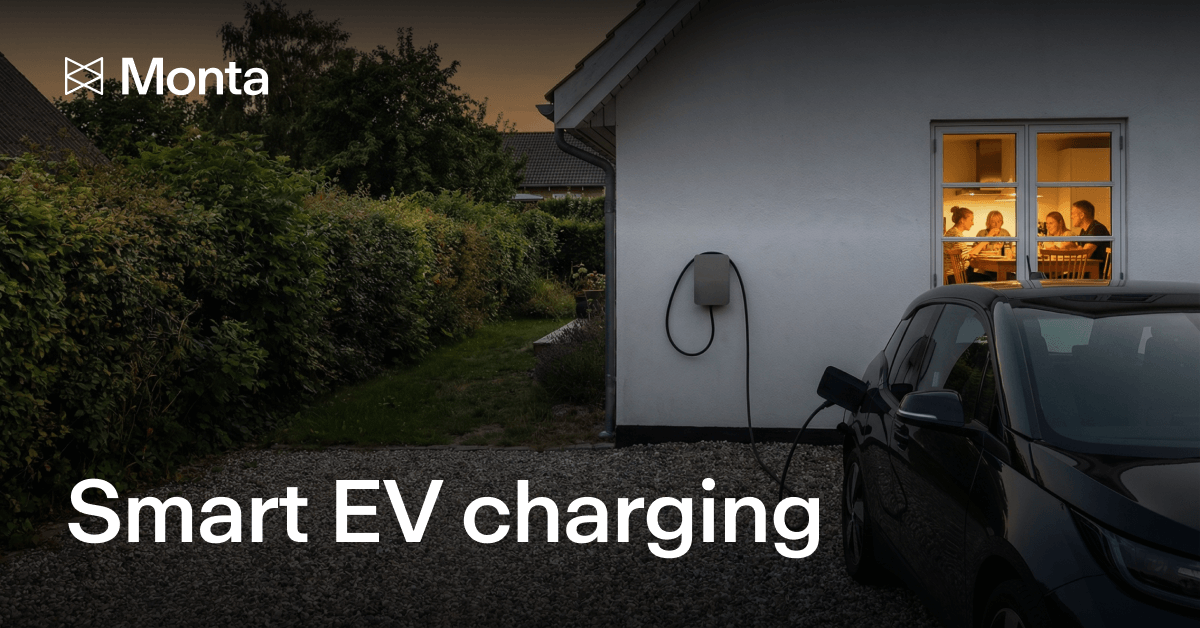
Smart Electric Vehicle (EV) charging involves cloud-connected hardware and data-driven automation. Smart EVs serve as a cornerstone of modern infrastructure. Automation prioritises energy delivery based on user needs and grid capacity. Efficient power distribution reduces long-term operational costs. High-speed data exchange facilitates seamless integration between vehicles and the electrical network. Precise monitoring ensures battery health and site safety. Implementing smart EV charging helps balance energy supply. Utilising a smart EV charge point improves the user experience. Optimising smart charging ensures infrastructure longevity. Selecting smart charging of electric vehicles provides long-term flexibility.
What is smart EV charging?
Smart EV charging is a technology-enabled system for managing power delivery through software and network communication. Cloud platforms control charging sessions to align with specific schedules and grid conditions. Automated modulation of electricity flow prevents site overloads. Data insights allow users to monitor energy consumption in real time. Remote updates ensure the hardware remains compatible with new vehicle models. Efficiency gains result from shifting power draws to low-demand periods.
How does smart EV charging work?
Smart EV charging works by establishing a digital handshake between the vehicle, the charge point, and the central management system. Data packets travel through internet protocols to provide information about battery status and energy prices. Algorithms determine the optimal power level for every individual session based on predefined priorities. Real-time adjustments occur when local energy demand fluctuates or utility signals arrive. Integration with mobile applications allows for remote control and session visibility. Secure servers store usage data to generate detailed reports and billing cycles.
Do smart charge points need Wi-Fi?
Yes, smart charge points need network connectivity to perform advanced functions. Communication with cloud platforms relies on Wi-Fi, Ethernet, or cellular signals. Data exchange ceases if the network goes offline, and the unit operates as a basic charge point. Automated updates and remote troubleshooting necessitate active connectivity. Smart features (scheduled charging and load balancing) depend on continuous data flow. Offline modes exist for basic energy delivery but lack advanced optimisation capabilities.
Can smart charging work with solar panels?
Yes, smart charging works with solar panels effectively. Power management software prioritises self-generated solar energy over grid electricity. Diverting excess solar power to the vehicle battery increases the property’s self-consumption rate. Dynamic adjustments ensure charging speeds match the solar panels’ current output. Storing renewable energy in vehicle batteries reduces reliance on the external electrical network. Integrated systems track solar contribution to provide a clear view of green energy usage.
What are the benefits of smart EV charging?
The benefits of smart EV charging are listed below.
- Cost reduction. Shifting sessions to off-peak hours leads to significant savings on electricity bills.
- Grid stability. Reducing demand during peak periods prevents strain on the local distribution network.
- Convenience. Automated scheduling ensures vehicles reach full charge without manual intervention.
- Safety. Load management features prevent domestic or commercial circuits from overheating.
- Data transparency. Digital logs provide accurate information on energy use and carbon emissions.
How does smart charging save money?
Smart charging saves money by automatically detecting and utilising the lowest electricity tariffs available. Software-driven schedules move heavy energy loads to overnight periods when prices drop. Avoiding peak-time surcharges keeps the total cost of ownership low for electric vehicles. Preventing site-wide power spikes eliminates the risk of expensive utility penalties. Precise energy monitoring helps identify waste and optimise consumption patterns. Intelligent systems reduce the need for physical infrastructure upgrades by maximising current capacity.
How does smart charging support grid stability?
Smart charging supports grid stability by balancing the total electrical load across a wide network of devices. Automated demand response enables the system to reduce power draw during periods of extreme grid stress. Evenly distributing energy consumption prevents local transformers from reaching the thermal limits. Integration with renewable sources helps the grid absorb fluctuations in energy from wind or solar. Large-scale deployment of these systems acts as a virtual power plant, providing flexibility. Stable frequency levels remain easier to maintain when charging sessions react to real-time grid conditions.
Are smart charging stations compatible with all EVs?
Yes, smart charging stations are compatible with all EVs that follow standard international charging protocols. Type 2 connectors are the standard for electric vehicles in Europe and the United Kingdom (UK). Software communication focuses on the charge point-to-cloud link rather than vehicle-specific proprietary data. Hardware remains universal, whilst the backend handles the advanced management logic. Standardisation across the industry ensures that a single station services multiple different car brands. Choosing AC charging provides the necessary speed for home and workplace environments.
What are the applications for smart EV charging?
The applications for smart EV charging are listed below.
- Residential smart charging: Homeowners use intelligent units to charge overnight whilst using domestic solar or off-peak tariffs.
- Workplace smart charging: Businesses are to provide energy to employees whilst managing the total building load to prevent electrical trips.
- Fleet smart charging: Logistics firms to ensure all delivery vans reach 100% capacity before shifts begin, via automated prioritisation.
- Commercial and public smart charging: Retail locations and car parks that offer paid charging services with integrated billing and load sharing, and street-side charge points that provide accessible energy whilst preventing strain on the local distribution network.
1. Residential smart charging
Residential smart charging involves installing a connected unit at a private home for convenient vehicle replenishment. The system connects to the home network to allow remote scheduling via a smartphone. Homeowners benefit from automated sessions that start when electricity prices are at their lowest. Integration with home energy management systems provides a unified view of total power consumption. Safety features monitor the domestic circuit to prevent overloading the main fuse. Utilising residential smart charging makes owning an electric vehicle affordable.
2. Workplace smart charging
Workplace smart charging allows companies to offer energy to employees and visitors during business hours. Centralised dashboards manage multiple charge points to ensure fair energy distribution amongst staff. Dynamic load balancing protects the office building from power outages during peak usage. Automated billing systems facilitate easy reimbursement or payment for energy consumed. Remote monitoring helps facility managers identify faults before they affect users. Implementing workplace smart charging improves employee satisfaction and corporate sustainability goals.
3. Fleet smart charging
Fleet smart charging focuses on maintaining the operational readiness of commercial vehicle groups. Algorithms prioritise vehicles based on their scheduled departure times and required range. Monitoring energy consumption per vehicle provides precise data for financial reporting. Software-driven power limits prevent the depot from exceeding its contracted energy capacity. Real-time alerts notify managers if a vehicle fails to charge correctly. Adopting fleet smart charging reduces the total cost of transport operations.
4. Commercial and public smart charging
Commercial and public smart charging provides energy access at retail centres, car parks, and public streets. Integrated payment gateways allow for seamless transactions via mobile apps or cards. Load sharing allows multiple vehicles to charge simultaneously at a single location without tripping breakers. Operators track usage patterns to adjust pricing and optimise station availability. Remote management reduces the need for frequent on-site maintenance visits. Deploying commercial and public smart charging creates new revenue streams for land owners.
How is smart EV charging compared to managed EV charging?
Smart EV charging differs from managed EV charging by focusing on different levels of the energy ecosystem. Smart charging refers to the individual device’s ability to communicate and follow automated schedules. Managed charging encompasses a broader system-level control that orchestrates devices to protect the grid or site. Smart and managed EV charging relies on cloud connectivity to modulate power delivery and timing. Smart features provide the user interface, whilst management logic handles the complex power distribution. Organisations use smart and managed EV charging to achieve maximum efficiency and reliability. Integrating managed EV charging with intelligent hardware ensures site-wide energy balance.
Is smart charging the same as managed charging?
No, smart charging is not the same as managed charging. Smart charging refers to intelligent energy delivery and encompasses various aspects of the control process. Smart charging focuses on the connectivity and features of the individual hardware unit. Managed charging refers to the overarching strategy and software control applied to a group of charge points. Smart charging provides the technical capability for data exchange, and managed charging applies specific logic to meet operational goals. Systems overlap in functionality to provide a comprehensive solution for the end user. Selecting the right combination depends on the number of vehicles and the complexity of the site’s power requirements.