
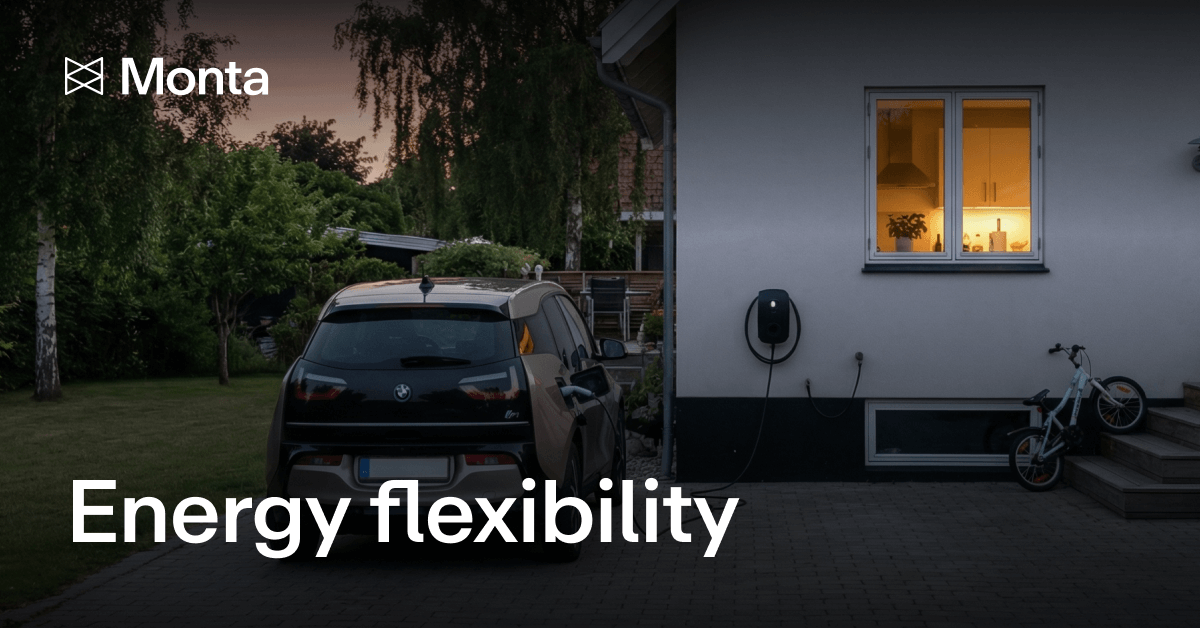
Energy flexibility involves shifting loads in households, factories, and electric vehicle fleets to match power availability. Energy flexibility represents the ability to adjust electricity consumption, generation, or storage in response to specific grid conditions. The technology balances supply and demand whilst reducing overall energy costs and environmental emissions. Operators shift energy loads during peak times to avoid grid congestion. Storage systems and renewable sources provide the necessary capacity for these adjustments. Businesses integrate smart technologies to monitor real-time requirements and respond accordingly. Maintaining energy flexibility ensures a stable power supply during periods of high demand. Utilisation of flexible energy allows for the seamless integration of intermittent renewable sources.
What is energy flexibility?
Energy flexibility refers to the ability of energy consumers or assets to adjust when and how much electricity they use in response to grid signals, price incentives, or system needs. The process involves demand response programmes, energy storage, and smart control systems. Users decrease consumption during peak periods or increase it when renewable generation is high. Strategic adjustments help maintain the balance of the local and national power networks. Automated software monitors the grid and modifies usage patterns based on real-time price signals.
Why does energy flexibility matter?
Energy flexibility matters through the deployment of smart meters and industrial battery systems. Energy flexibility matters because it prevents grid overloads during periods of extreme demand. The capability facilitates the transition to renewable energy by managing the variability of wind and solar power. Households and businesses lower their utility bills by avoiding expensive peak-hour tariffs. Carbon emissions decrease as the need for peaking plants fueled by fossil fuels declines. Reliable energy networks depend on users’ ability to adapt their consumption patterns.
How does energy flexibility work?
Energy flexibility works via sensors, smart meters, industrial chillers, and domestic heat pumps. Energy flexibility is enabled by equipment that tracks real-time grid frequency and pricing. Control systems receive signals from grid operators to reduce or shift consumption during critical intervals. Battery storage units discharge power during high demand or store excess renewable energy for later use. Advanced algorithms predict usage patterns and automate load shifting for maximum grid support. Communication between the consumer and the utility provider ensures seamless adjustments.
How is energy flexibility different from energy efficiency?
Energy flexibility differs from energy efficiency through the use of heat pumps and electric vehicles. Energy flexibility focuses on the timing of usage rather than the total volume. Efficiency measures reduce the energy required to perform a task. Flexibility involves shifting energy use to periods of low demand or high supply. High-performance insulation represents a pure efficiency measure with no inherent flexibility. Implementation of energy efficiency measures remains a separate but complementary goal for modern infrastructure.
How does energy flexibility differ from demand side management (DSM)?
Energy flexibility differs from demand side management via frequency response and automated load shedding. Energy flexibility differs from demand-side management by providing a more dynamic, automated response to grid signals. Demand side management encompasses broad strategies (efficiency and traditional load shedding). Flexibility of demand-side management represents a specific subset that relies on bidirectional communication and real-time adjustments. Operators use flexible assets to provide services (frequency regulation and voltage support). Traditional techniques focus on long-term consumption targets rather than immediate grid stability.
What is energy flexibility in EV charging?
Energy flexibility in EV charging utilises fleet vehicles and private cars for load shifting. Energy flexibility in EV charging involves adjusting charging times and power levels in response to current grid conditions. The system utilises smart charging protocols and dynamic load balancing to prevent network congestion. Vehicles charge faster when renewable energy is abundant and prices are low. Power delivery slows down or pauses during peak periods to protect the local substation. Management systems coordinate multiple vehicles to ensure they remain within the site’s electrical limits. Drivers maintain the required range whilst contributing to grid stability through EV charging flexibility.
Why is energy flexibility important for EV charging?
Energy flexibility is important for EV charging because it uses smart charge points and bidirectional units. Energy flexibility is important for EV charging because it prevents the need for expensive grid infrastructure upgrades. High concentrations of electric vehicles pose a risk of overloading local distribution networks during evening hours. Smart load management allows businesses to install more charge points without exceeding their power capacity. The technology enables the use of cheaper, greener electricity for recharging fleet and passenger vehicles. Owners avoid high-demand charges by spreading their energy load over a longer period.
Can EVs provide energy flexibility to the grid?
Yes, EVs can provide energy flexibility to the grid through bidirectional energy flow. Large battery packs in stationary cars act as mobile storage units for the national power network. Discharging energy back into the grid during peak times helps balance supply and demand fluctuations. The technology supports the integration of volatile renewable sources (wind and solar). Modern charge points facilitate these interactions whilst ensuring the vehicle retains enough charge for travel.
What are the benefits of energy flexibility?
The benefits of energy flexibility are listed below.
- Achieve lower energy costs: Shifting consumption to off-peak hours allows users to benefit from cheaper electricity tariffs. Avoiding high-demand surcharges reduces monthly operational expenses for large-scale energy consumers. Businesses generate revenue by selling flexibility back to the grid during periods of peak stress. Automated systems ensure that cost savings occur without requiring constant manual intervention from staff. Financial predictability improves as companies gain control over the timing of their electricity procurement.
- Reduce environmental emissions: Utilising energy when renewable generation is high minimises the reliance on carbon-intensive backup power plants. The shift directly supports corporate and national net-zero targets by reducing the grid’s carbon intensity. Flexible loads absorb excess solar and wind power that would otherwise go to waste. Carbon footprints decrease as the energy mix becomes cleaner throughout the day. Sustainability reporting benefits from the clear reduction in greenhouse petrol emissions that flexible operations achieve.
- Improve grid stability: Rapid demand fluctuations help maintain the correct frequency and voltage levels across the distribution network. Preventing overloads reduces the risk of power outages and increases the lifespan of electrical infrastructure. Flexible assets respond to grid fluctuations within milliseconds to ensure a continuous power supply. The resilience of the national energy system improves as more users provide balancing services. Smart technology prevents the catastrophic failure of local substations during extreme weather events.
- Optimise utilisation of renewable energy: Flexible loads match their consumption patterns with the real-time availability of wind and solar generation. Maximising the use of clean energy sources improves the efficiency of the sustainable energy transition. Energy storage units capture surplus power for use during periods of low renewable output. The reliance on fossil fuel generation decreases as demand becomes more responsive to green supply. Integrated control systems ensure that carbon-free electricity is used to its full potential.
How does energy flexibility reduce energy costs?
Energy flexibility reduces energy costs through demand response programmes and time-of-use pricing. Energy flexibility reduces energy costs by enabling participation in grid services and dynamic tariff structures. Users shift non-essential processes to periods when electricity prices are at their lowest. Avoiding peak-demand surcharges prevents costly spikes in utility bills for commercial and industrial sites. Revenue generation is possible by selling stored energy back to the grid during high price intervals. Automated systems ensure that cost savings occur without requiring constant manual intervention.
How does energy flexibility improve energy efficiency?
Energy flexibility improves energy efficiency by cooling systems, water heaters, and industrial processes. Energy flexibility improves energy efficiency by optimising the operation of thermal assets based on external conditions. Shifting loads to times with lower ambient temperatures reduces the work required by HVAC systems. Real-time monitoring identifies wasted energy and allows for more precise control of high-consumption assets. Coordination of energy generation and storage minimises transmission losses within local networks. Integrated systems ensure energy is used only when the process provides the highest operational value.
How does energy flexibility support the power grid?
Energy flexibility supports the power grid by providing essential services (frequency regulation). Fast-acting flexible assets respond to sudden drops in generation or spikes in demand within seconds. The capability reduces the need for expensive, polluting spinning reserves in traditional power plants. Distributed storage and demand response mitigate the effects of network congestion in high-growth urban areas. Reliable grid operations depend on the collective flexibility of residential and commercial energy users for grid balancing purposes.
What industries benefit most from flexible energy?
Industries that benefit most from flexible energy are listed below.
- Electric Vehicle (EV) fleets: Logistics companies use smart charging to meet the high energy demands of delivery vans and trucks. Coordinating charge times avoids peak grid prices and ensures vehicles are ready for daily routes. The adjustments protect the local distribution network from sudden surges in demand. An EV fleet operator generates revenue by participating in frequency response markets during idle times. Reliability remains high as vehicles maintain the necessary state of charge for operations.
- Manufacturing industry: Factories adjust production schedules to coincide with periods of low-cost energy or participate in load-shedding schemes. Large-scale thermal or chemical processes shift energy demand away from peak periods. Automation enables machinery to respond to grid signals without staff intervention. Cost savings reach substantial levels for manufacturing industries with high baseline consumption. Energy intensity decreases as processes align with the availability of renewable generation.
- Commercial real estate: Building managers use smart HVAC and lighting controls to reduce consumption during expensive periods. Integrating on-site solar and battery storage creates a highly flexible asset that lowers total building overheads. Sensors detect occupancy and adjust environmental settings to ensure comfort whilst minimising peak load. The building acts as a virtual power plant, discharging stored energy upon request. A commercial real estate value increases through the adoption of advanced energy management technologies.
- Utilities and retailers: Providers use the flexibility of their customer base to manage wholesale market risks and maintain stability. Aggregating small-scale flexible assets replaces the need for traditional fossil fuel generation during peak times. Customer engagement improves as users receive financial incentives for their flexible consumption. The grid remains resilient against fluctuations caused by intermittent weather-dependent power sources. The utility and retailers industry lowers its procurement costs by shifting demand to periods of high supply.
How do businesses benefit from energy flexibility?
Businesses benefit from energy flexibility by gaining a competitive advantage through lower operational costs and improved sustainability credentials. Refrigeration units and electric fleets serve as flexible assets. Participation in grid services provides a new stream of passive income for companies with flexible assets. Resilience increases as on-site storage and smart controls protect against energy market volatility and potential supply disruptions. High energy users demonstrate environmental leadership by supporting the transition to a renewable-powered grid. Automated management ensures consistent energy savings without affecting business output.