
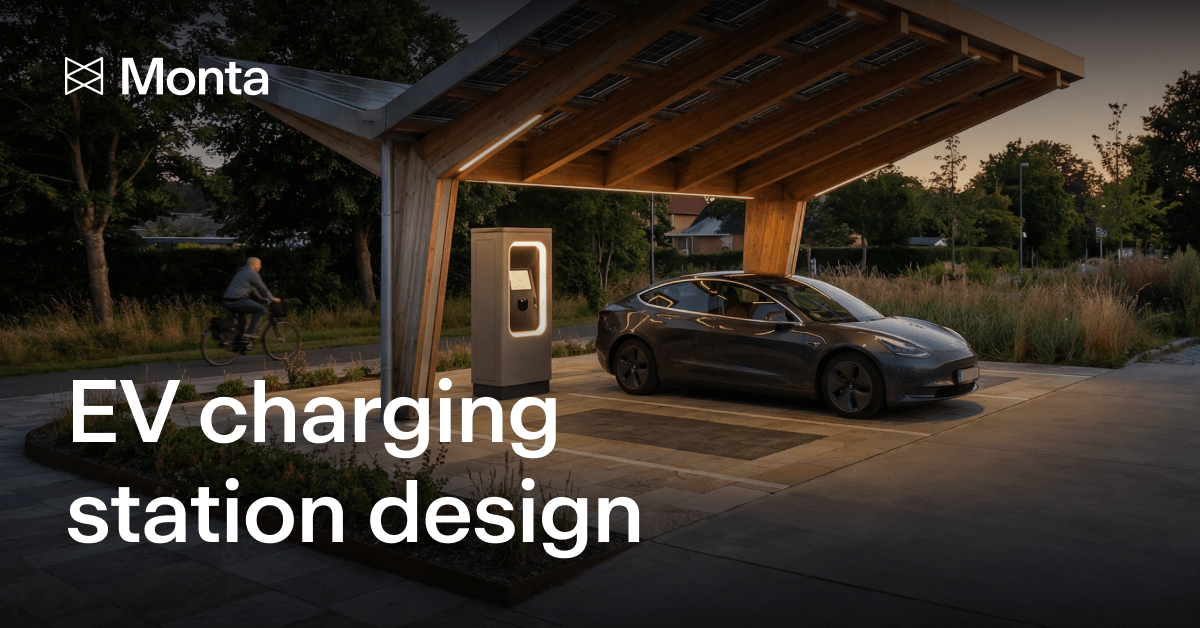
EV charging station design is a systematic arrangement of electrical hardware, physical civil works, and digital management systems to provide safe vehicle replenishment. Comprehensive layouts integrate site survey data with power grid assessments to ensure continuous operation under varying loads. Effective station configurations balance user convenience with the technical limitations of existing local electrical circuits. Engineers prioritise driver accessibility whilst adhering strictly to safety protocols for high-voltage equipment. Digital integration enables real-time monitoring of energy flows and remote diagnostics. Future expansions require modular components that enable increased power throughput as demand grows. Success in infrastructure development relies on a deep understanding of EV charging station requirements. National regulations specify the EV charging station standards that must be met during construction. Adherence to the protocols ensures a safe environment for all vehicle types and users. Professional planning incorporates EV charging station design standards to mitigate risks and improve long-term asset reliability. Adhering to strict EV charging station design protocols remains essential for successful project execution.
What is EV charging station design?
EV charging station design is the process of configuring charge point placement, electrical systems, civil works, and software integration for optimal performance. Strategic planning ensures that the physical arrangement of units facilitates easy vehicle access and safe traffic flow within the site. Electrical blueprints detail the connection between the main power supply and individual dispensers to prevent circuit overloads. Civil works include installing protective bollards, clear signage, and subterranean cabling conduits. Goal-oriented designs aim to provide a safe, reliable, and accessible experience for every driver. Professional execution of these layouts forms the backbone of a stable EV charging infrastructure.
How is an EV charging station designed?
An EV charging station is designed through a multi-stage engineering process beginning with a detailed site assessment. Professionals measure the available electrical capacity to determine the maximum number of dispensers that are supported. Architects create spatial layouts that optimise vehicle movement and ensure compliance with accessibility regulations. Electrical engineers draft wiring diagrams that include necessary protection devices (circuit breakers and surge arrestors). Software developers integrate the hardware with cloud-based management platforms for remote monitoring and payment processing. Final blueprints undergo rigorous review to ensure compliance with all local building and safety codes.
What are the key factors in EV charging station design?
The key factors in EV charging station design are listed below.
- Power availability and grid capacity: Local electrical supply levels determine the number and speed of the dispensers that the site supports. Grid assessments determine whether the current infrastructure handles high-power loads without requiring expensive transformer upgrades.
- Site space and traffic flow: Adequate physical area allows for the safe manoeuvring of different vehicle sizes and types near the charging units. Layouts prioritise easy entry and exit points to prevent congestion during peak usage periods.
- Charge point type and use case: Selecting hardware that aligns with visitors’ dwell time ensures the most efficient use of resources. Speed requirements vary between long-term residential parking and rapid motorway transit stops.
- User demand and future scalability: Projected growth in vehicle adoption necessitates a design that allows for the simple addition of more sockets. Modular setups provide the flexibility to upgrade power levels as battery technology improves.
- Safety and regulatory compliance: Strict adherence to fire safety codes and electrical standards protects the equipment and the general public. Compliance with national accessibility laws ensures that the facility remains usable for individuals with varied mobility needs.
What factors affect EV charging station design?
Factors affecting EV charging station design include grid capacity, land constraints, usage patterns, and the project budget. Limited electrical supply requires implementing load management software to distribute power across multiple vehicles. Land constraints dictate the equipment’s physical footprint and the arrangement of parking bays. Usage patterns influence the choice between AC units and rapid DC charge points to meet driver expectations. Environmental conditions necessitate ruggedised hardware that withstands extreme temperatures and moisture. Accessibility requirements ensure that the station remains inclusive for drivers with various mobility challenges.
How much space is needed for EV charging stations?
Space needed for EV charging stations depends on the number of bays and the size of the required electrical equipment. A standard parking bay measures 2.4 by 4.8 metres to accommodate passenger vehicles. Additional clearance around the charging pedestal allows for safe pedestrian movement and cable handling. DC fast charge points require extra space for large transformer cabinets and cooling systems. Multi-unit sites necessitate wider access lanes to facilitate smooth vehicle ingress and egress. Layouts must provide sufficient space for maintenance technicians to safely access the hardware during inspections.
What are the electrical requirements for EV charge points?
The electrical requirements for EV charge points are listed below.
- Dedicated branch circuits: Every dispenser requires a specific electrical connection to prevent interference with other building loads. Dedicated wiring ensures that the full rated power remains available for the vehicle battery.
- Voltage and amperage levels: AC charge points operate on 230V AC supplies (single-phase) or 400V three-phase supplies, with currents typically ranging from 16A to 32A per phase. Rapid DC units require high-voltage three-phase power connections to deliver fast charging speeds.
- Overcurrent protection: Circuit breakers and fuses protect the internal electronics and the grid from sudden power surges or faults. Devices are essential for maintaining the safety of the electrical installation.
- Earthing and grounding systems: Proper grounding prevents electrical shocks and ensures the safe discharge of stray current into the earth. Advanced designs include earth-leakage protection that automatically disconnects power during a fault.
- Grid connection capacity: The total site load must remain within the limits set by the local utility provider. Upgrading the transformer or main distribution board is necessary if the current supply falls short of the demand.
How do you select a site for EV charging station design?
Select a site for an EV charging station design by evaluating grid access, traffic patterns, and visibility to potential users. Proximity to the main electrical transformer reduces the cost and complexity of subterranean cabling. High-traffic areas near shopping centres or major roads ensure a steady stream of drivers in need of power. Sites with a clear line of sight from the street improve brand awareness and ease navigation for motorists. Ease of permitting in designated zones accelerates construction timelines and reduces administrative burdens. Future expansion potential enables the station to grow as local electric vehicle registrations increase.
What makes a good EV charging station layout?
A good EV charging station layout facilitates intuitive navigation and maximises safety for vehicles and pedestrians. Clear signage guides drivers to available sockets and provides simple instructions for initiating a session. Strategically placed protective bollards shield the expensive dispensers from accidental vehicle impacts. Adequate lighting ensures a safe environment for users at night and improves visibility for surveillance cameras. Short cable lengths reduce trip hazards and minimise energy loss during power transfer. Efficient arrangements enable simultaneous charging of multiple cars without creating traffic bottlenecks.
How are safety standards applied in EV charging station layout design?
Safety standards are applied in EV charging station layout design through the implementation of physical barriers and electrical protection protocols. Clearances between high-voltage equipment and public walkways prevent accidental contact with sensitive components. Automated fire suppression systems are integrated into indoor or covered installations to mitigate heat-related risks. Emergency shut-off switches are placed in easily accessible locations for immediate disconnection in the event of a fault. Strict adherence to waterproof ratings ensures that outdoor units remain safe during heavy rain or snow. Regular testing of the earth leakage protection confirms that the system responds correctly to electrical imbalances.
What power levels are best for EV charging station design?
Power levels best for EV charging station design depend on the intended dwell time and the specific use case of the location. AC charge points provide power levels between 7 kW and 22 kW for vehicles parked for several hours. Workplaces and residential complexes benefit from these moderate speeds as cars remain stationary for extended periods. DC fast charge points deliver power from 50 kW to over 350 kW for rapid turnover at service stations. Motorway hubs require high power levels to recharge batteries in 30 minutes or less. Selecting the correct throughput ensures that the site remains efficient and profitable for the owner. Matching the supply to driver needs is the core goal of EV charging station design.
What charge point types are best for EV charging station design?
The best charge point type for EV charging station design depends on the technical requirements of the target vehicle fleet and the local electrical supply. Type 2 AC connectors serve as the standard for European passenger vehicles in residential and commercial settings. Combined Charging System (CCS) units provide the necessary hardware for rapid DC charging on motorways. Specialised high-power dispensers are required for electric trucks and buses in industrial depot environments. Tethered cables improve user convenience by eliminating the need for private charging leads. Modular hardware allows for easier maintenance and future upgrades as power demands increase.
How does EV charging station design differ by use case?
EV charging station design differs by use case by dictating the specific layouts, power levels, and operational priorities of a charging facility. Public hubs focus on high-speed throughput and universal accessibility for various car models. Depot designs prioritise massive energy management and the synchronised charging of commercial fleets. Workplace installations emphasise controlled access for employees and cost-effective AC hardware. Multi-family housing requires robust billing software to manage energy costs for diverse residents. Retail locations use charging to increase customer stay duration and foot traffic. Each application necessitates a unique approach to physical and digital infrastructure planning.
Public EV charging station design
Public EV charging station design focuses on providing a high-quality user experience and simple payment processing for the general public. Large digital screens provide clear instructions and real-time data on the progress of each session. Payment terminals support contactless cards and mobile applications to ensure broad accessibility for all drivers. High-visibility branding helps motorists locate the site quickly from major roads or navigation apps. Strategic placement near shops and cafes allows users to perform errands whilst their vehicles recharge. Reliability and uptime are the primary metrics for success in public EV charging station design.
Fleet and depot EV charging design
Fleet and depot EV charging design prioritises energy management and massive scalability to support commercial operations. Automated dispatch systems coordinate charging schedules to ensure every vehicle is ready for its morning route. Load-balancing software prevents expensive peak-demand charges by distributing power across the entire fleet. High-capacity DC charge points are used to minimise downtime for delivery trucks and transit buses. Layouts include wide turning circles and drive-through bays to accommodate large heavy-duty vehicles. Infrastructure planning for fleet and depot EV charging design includes backup power systems to maintain fleet readiness during grid outages.
Workplace and commercial EV charging design
Workplace and commercial EV charging design emphasises controlled access and efficient cost management for employees and guests. RFID card readers or mobile apps allow administrators to restrict usage to authorised personnel only. Tiered pricing structures enable businesses to provide free power to staff whilst charging visitors a premium rate. Integrated software tracks energy consumption for corporate sustainability reporting and tax compliance. AC dispensers are typically sufficient for office environments where vehicles remain parked for eight hours. Effective management systems are essential for workplace and commercial EV charging design.
How much does it cost to design an EV charging station?
The cost to design an EV charging station ranges from [£1,500–£4,000 (1,900–5,100, €1,750–€4,700)] for professional engineering fees for a small commercial site. Large-scale rapid hubs incur higher costs due to complex utility coordination and grid-impact studies. Permitting and local council approval fees add significant administrative expenses to the initial budget. Architectural layouts and civil engineering designs are essential investments for safe, functional sites. Accurate planning reduces the risk of expensive errors during the construction phase of the EV charging infrastructure cost.
What are the best practices for future-proof EV charging station design?
The best practices for future-proof EV charging station design are listed below.
- Oversized electrical conduits: Installing larger pipes than currently needed allows for the simple addition of more cables in the future. The practice prevents expensive excavation work when the site needs to expand its socket capacity.
- Reserve physical space for expansion: Allocating extra car park space for additional pedestals ensures the site grows with demand. Proper planning includes space for future transformer upgrades and cooling systems.
- Use modular and standards-based equipment: Hardware that follows open communication protocols ensures compatibility with different software providers. Modular designs allow replacing individual components without discarding the entire unit.
- Implement smart load management: Software-ready systems enable the station to adapt to changing grid conditions and local power limits. Advanced digital tools are a cornerstone of the future of EV charging.
- Coordinate early with utility providers: Early engagement with the grid operator identifies potential power constraints before significant capital is committed. The collaboration ensures that the site remains viable as local energy needs evolve.
How can EV charging station design support scalability and grid constraints?
EV charging station design supports scalability through load balancing and grid-responsive software. Integrated energy storage systems (stationary batteries) capture power during low-demand periods for use during peak hours. On-site renewable generation from solar carports reduces the total draw from the external electrical network. Dynamic pricing incentivises drivers to charge when renewable energy is abundant and grid stress is low. Smart software automatically adjusts the power throughput of each socket to stay within the total site limit. Technologies facilitate effective grid balancing whilst supporting a larger number of vehicles.
What are the common EV charging station design mistakes to avoid?
The common EV charging station design mistakes to avoid are listed below.
- Underestimating power requirements: Failing to account for peak demand leads to frequent circuit trips and unreliable service. Professional load studies are essential for determining the actual capacity required for simultaneous charging.
- Poor layout planning: Inadequate space for vehicle manoeuvring leads to congestion and increases the risk of accidents. Layouts must provide enough room for a range of car sizes and easy trailer access.
- Ignoring future growth: Installing the minimum possible infrastructure necessitates expensive retrofits within just a few years. Future-proof designs include spare conduit and electrical capacity for immediate expansion.
- Lack of safety clearances: Placing charge points too close to high-traffic pedestrian paths creates trip hazards and increases safety risks. Adequate distance between high-voltage hardware and public areas is mandatory for compliance.
- Inadequate utility coordination: Failing to engage early with the grid operator leads to delays and unexpected costs for transformer upgrades. Clear communication with the utility is vital for a successful project timeline.