
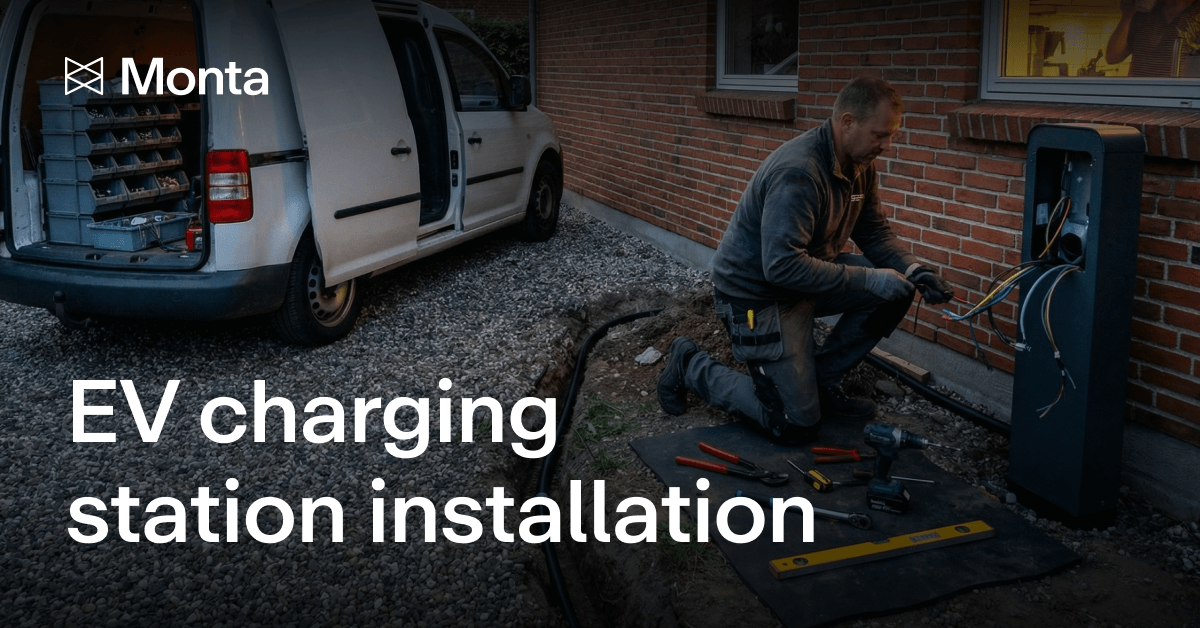
EV charging station installation is a comprehensive deployment of hardware, electrical supply infrastructure, and software management systems at a designated site. Proper execution of the setup ensures the public’s complete safety and full regulatory compliance with national building codes. Reliable operation depends on the quality of the initial grid connection and the precision of the hardware mounting. Long-term performance levels stay high when the system integrates with advanced monitoring platforms. Professional contractors evaluate the site to determine the necessary upgrades for existing power panels and transformers. The process facilitates the global transition toward sustainable mobility by providing essential energy access points. Every stage of the project requires careful coordination between engineers, property owners, and local utility providers. High standards in the construction phase prevent future equipment failures and reduce maintenance overheads. Scaling these networks supports the growing population of electric vehicle drivers across urban and rural landscapes. Successful deployment results in a robust and efficient energy network for the EV charging station installation. Business owners benefit from a professional commercial EV charging station installation to meet demand. Property managers follow strict protocols to install a commercial EV charge point safely.
How does EV charging station installation work?
The process of EV charging station installation works by executing a series of technical steps, starting with a comprehensive site assessment and legal permitting. Engineers evaluate the existing electrical capacity to determine the feasibility of adding new high-power loads. Contractors obtain necessary approvals from local authorities before commencing any groundworks or electrical modifications. Technical teams perform the wiring and circuit installations required to link the power grid to the physical dispensers. Mounting the hardware involves securing the pedestals or wall units to reinforced surfaces to prevent damage. Final stages include rigorous testing and commissioning to verify that the energy flow meets safety standards. Coordination with utility companies ensures the grid connection handles the additional demand without failure. Inspectors provide the final sign-off to certify the site for public or private use. Professional installers manage every technical detail to ensure the commercial EV charging station installation.
What is involved in installing an EV charging station?
The things involved in installing an EV charging station are listed below.
- Site assessment and feasibility: Professionals analyse the current electrical supply and physical layout to plan the most efficient equipment placement. Data gathered during this phase informs the selection of appropriate hardware for the specific location.
- Electrical upgrades and wiring: Electricians install new distribution boards, circuit breakers, and high-capacity cabling to support the charge point’s power draw. These components prevent system overloads and ensure a steady energy flow to the vehicle.
- Civil engineering and groundworks: Teams perform trenching and resurfacing to lay underground conduits for protective cable housing. Solid concrete foundations are poured to support heavy pedestals and protect them from vehicle impacts.
- Hardware mounting and connection: Technicians secure the charging units to walls or ground mounts and complete the final electrical terminations. A secure physical installation protects sensitive internal electronics from weather and mechanical vibration.
- Software integration and commissioning: Experts configure the network settings to enable remote monitoring, payment processing, and automatic updates. Final system checks confirm that the hardware communicates correctly with the central management platform.
- Final inspections and certification: Local authorities review the completed work to ensure compliance with national electrical and safety codes. Official certification provides the necessary legal clearance to install a commercial EV charge point.
Who installs EV charging stations?
Professionals who install EV charging stations are certified electrical contractors with specific training in high-voltage vehicle supply equipment. Specialised firms handle the entire process from engineering design to physical construction for commercial clients. Licensed electricians ensure that every connection meets the rigorous standards required by national safety regulations. Large-scale projects involve civil engineers to manage groundworks and structural reinforcements for the site. Manufacturers partner with approved installers to provide a seamless transition from hardware purchase to active operation. Property owners rely on these experts to navigate complex utility requirements and local permitting laws. Expertise in energy management allows these teams to implement load-balancing solutions for multiple charging sockets. Choosing a qualified team guarantees the reliability of the commercial EV charging station installation.
How do EV charging station installation companies support maintenance and operations?
EV charging station installation companies support maintenance and operations by providing scheduled inspections and remote diagnostic services for the site. Technical teams monitor the hardware via cloud platforms to identify potential faults before they cause service downtime. Preventive maintenance includes checking cable integrity and cleaning internal filters for optimal thermal management. Operators receive immediate assistance for software glitches or payment processing issues through dedicated help desks. Regular firmware updates ensure the dispensers stay compatible with the latest electric vehicle models and communication protocols. Prompt repair services restore functionality to damaged units, maintaining high utilisation rates for the business. Professional firms offer service-level agreements that guarantee specific response times for critical hardware failures. Long-term reliability depends on the quality of the ongoing EV charging station maintenance.
How long does EV charge point installation take?
The time required for EV charge point installation ranges from 30 days to three months, depending on the project’s technical complexity. Simple wallbox setups in residential settings conclude within a single afternoon. Commercial projects involving extensive trenching or new transformer installations require a longer timeline for completion. DC fast charge points necessitate significant utility coordination, which extends the project duration by four weeks. Obtaining permits and legal approvals from local councils accounts for a major portion of the pre-construction phase. Supply chain delays for specialised electrical components impact the final commissioning date for large hubs. Efficient project management reduces the downtime between site preparation and the final public launch. Detailed schedules ensure every stage of the setup follows the plan for the commercial EV charging station installation.
What approvals are needed before EV charge point installation?
Approvals needed before EV charge point installation are listed below.
- Planning permissions: Local councils review the proposed site layout to ensure it aligns with urban development and zoning regulations. Approval ensures the installation does not interfere with public access or heritage site protections.
- Electrical utility approval: Grid operators assess the impact of the new charging load on the local distribution network. Authorisation confirms that the current power supply handles the additional demand without causing local blackouts.
- Building permits: Authorities issue permits to verify that the construction work meets national safety and structural standards. Documentation provides a legal record of the sanctioned modifications to the property.
- Environmental clearances: Inspections confirm that the project does not negatively affect local wildlife or protected natural landscapes. Compliance with these regulations is essential for large-scale developments near sensitive areas.
- Fire safety sign-off: Fire marshals evaluate the placement and safety features of the charge points to prevent heat-related incidents. Approval guarantees that the site includes necessary suppression systems and emergency shut-off switches.
- Landowner consent: Explicit permission from the property owner is required before any groundworks or electrical changes are carried out. Clear legal agreements prevent future disputes regarding the ownership of the commercial EV charging station installation.
Do EV charging installers handle permits and inspections?
Yes, EV charging installers handle permits and inspections as part of their comprehensive turnkey service for business clients. Professional firms navigate the complex paperwork required by local councils and utility providers on behalf of the property owner. Experts coordinate with municipal inspectors to schedule the final reviews necessary for legal operation. Handling these administrative tasks ensures the project adheres to all relevant safety and building codes. Experience in the field allows contractors to anticipate potential regulatory hurdles and address them early in the process. Outsourcing this responsibility to the installer saves time for the business and guarantees the accuracy of the documentation for the commercial EV charging station installation.
How are commercial EV charging stations installed?
Commercial EV charging stations are installed through a process that involves higher-power connections, extensive civil works, and integrated network systems. Engineers design a layout that supports multiple charge points across a dedicated parking area or fleet depot. Groundworks include trenching for heavy-duty conduits and the construction of reinforced foundations for the hardware pedestals. Electricians install industrial-grade switchgear and transformers to manage the massive energy flow from the grid. Phased deployment strategies allow businesses to add more units as their electric fleet grows over time. Software integration enables remote management and payment processing for a diverse user base. Grid coordination remains a primary focus to ensure the local network remains stable during peak usage periods. Robust site designs accommodate various vehicle types in the commercial EV charging station.
What is required to install EV charge points at a business?
The requirements to install EV charge points at a business are listed below.
- Sufficient electrical capacity: The site must have access to a power supply capable of handling the continuous draw of multiple high-speed charging sessions. Upgrading the main distribution panel or transformer is necessary if the current limit is too low.
- Designated parking spaces: Specific bays are allocated for electric vehicles to ensure easy access to the charging hardware. These spaces must be clearly marked and positioned to allow for safe traffic movement.
- Civil engineering works: Trenching and resurfacing are required to lay the subterranean cabling between the power source and the dispensers. Concrete pads provide a stable base for the mounting pedestals and protect the equipment.
- Network connectivity: A reliable internet connection via Wi-Fi or cellular signal is essential for payment processing and remote monitoring. Consistent signals enable the management software to track usage and update firmware in real time.
- Safety and protection hardware: Bollards and wheel stops prevent accidental vehicle collisions with the sensitive charging units. Integrated circuit protection and emergency shut-off buttons ensure the safety of all users during operation.
- Legal and regulatory compliance: Obtaining the correct building permits and utility permissions is a mandatory requirement for any business installation. Following these rules prevents legal issues and ensures the safety of the installation of a commercial EV charge point.
How does commercial EV charge point installation differ from residential installation?
Commercial EV charge point installation differs from residential installation in the scale of power requirements and the complexity of site engineering. Home setups involve a single wallbox connected to a standard domestic electrical panel. Business sites require high-voltage grid connections and industrial-grade hardware to serve multiple vehicles simultaneously. Extensive civil works (trenching and ground reinforcement) are standard for commercial locations but rare for private homes. Networking software for billing and user authentication is a core component of the business model. Regulatory requirements for public safety and accessibility are more stringent for commercial enterprises. Professional project management is essential to coordinate the various contractors needed for a residential EV charging station.
How much does it cost to install a commercial EV charge point?
The cost of commercial EV charge point installation ranges from [£2,000–£150,000 ($2,500–$190,000, €2,300–€175,000)] depending on the hardware type and site conditions. Basic AC pedestal installations for offices cost between [£3,000–£8,000 ($3,800–$10,000, €3,500–€9,300)]. High-power DC fast charge points require significant investments in grid upgrades and specialised electrical components. Labour expenses for trenching and civil engineering add substantial overhead to the final project bill. Permitting fees and utility connection charges vary by region and impact the total budget. Choosing modular designs allows for more cost-effective expansion as demand for energy increases. Financial planning must account for every technical detail to manage the EV charging infrastructure cost.
What factors affect EV charging station installation costs?
Factors that affect EV charging station installation costs are listed below.
- Distance to power source: Longer cable runs between the main electrical panel and the dispensers increase material and labour costs. Significant trenching through concrete or asphalt escalates the civil engineering expenses.
- Grid upgrade requirements: Installing new transformers or substations to handle high-power loads is a major financial commitment. Utility companies frequently charge significant fees for providing a higher-capacity connection to the site.
- Type of charging hardware: Rapid DC charge points are considerably more expensive to procure and install than standard AC units. Specialised equipment for buses or trucks requires reinforced infrastructure and cooling systems.
- Permitting and local regulations: Fees for building permits and electrical inspections vary by jurisdiction and project size. Compliance with specific local codes requires additional safety features or site modifications.
- Civil engineering complexity: Sites with difficult terrain or existing underground obstacles require more intensive labour to prepare for cabling. Resurfacing and landscaping after the construction phase increase the project’s total budget.
- Networking and software licensing: Setting up the digital management platform and payment gateways involves initial configuration and recurring subscription costs. Systems are essential for the operation of any commercial EV charging station installation.
Which locations are best for commercial EV charge points?
Locations best suited for commercial EV charge points are listed below.
- Workplaces: Providing charging at workplace parks supports employee retention and helps businesses reach their sustainability goals. Employees benefit from the convenience of recharging their vehicles during the standard working day.
- Retail centres: Supermarkets and retail centres attract customers who spend time and money whilst their cars receive power. High-traffic areas ensure the installed infrastructure is utilised consistently throughout the week.
- Parking facilities: Multi-storey parking facilities and public garages monetise existing spaces by offering essential energy services. Drivers prefer locations where they can safely park and charge simultaneously in city centres.
- Fleet depots: A fleet depot for delivery vans and trucks ensures that commercial vehicles stay operational with minimal downtime. Managing energy costs is easier when all vehicles recharge at a single controlled location.
- Highways: Strategic placements along major highway routes serve long-distance travellers needing a quick energy boost. Locations are essential for supporting cross-country journeys in electric vehicles.
- Hospitality venues: A hospitality venue attracts high-spending guests by offering reliable power for their overnight stays. The amenity distinguishes the brand from local competitors who lack modern EV charging stations.
Can fast EV charge points be installed at any site?
No, fast EV charge points cannot be installed at any site without a sufficient power supply from the local electrical grid. Older buildings lack the necessary transformer capacity to handle the massive current draw of a rapid charging session. Upgrading the utility service is prohibitively expensive or technically impossible in certain remote areas. Sites must have enough physical space for the large cooling systems and power cabinets required by the hardware. Professional feasibility studies determine whether a location supports the equipment’s intense demands. Proximity to high-voltage substations makes certain locations more suitable for fast EV charge points.
What electrical upgrades are needed for EV charge points?
Electrical upgrades for EV charge points include installing new transformers, industrial switchgear, and expanded service panels at the site. Technical teams must increase the main distribution board’s total amperage to handle the continuous load from multiple dispensers. High-power units require dedicated circuits with industrial-grade circuit breakers to prevent system failures. Upgrading the utility service line from the grid is necessary if the current supply is insufficient for rapid charging. Grounding and protection systems are reinforced to safeguard the hardware and the users from electrical faults. Smart load-management technology is integrated to balance the energy draw across the entire facility. Professional electricians ensure all modifications comply with national safety standards. Modifying the supply remains vital for the reliability of the EV charging stations.
How much power is required for EV charging stations?
The amount of power required for EV charging stations ranges from 7 kW for slow units to over 350 kW for ultra-fast dispensers. Standard AC charge points draw between 7 kW and 22 kW of alternating current per socket. Business sites with multiple charge points require hundreds of kilowatts of total capacity to serve several vehicles simultaneously. DC fast charge points require a high-voltage direct current supply, which places a significant load on the local transformer. Fleet depots for electric trucks require megawatt-scale connections to support high-power charging. Energy management software helps distribute available power to prevent grid overloads. Every site requires a custom electrical design to support the specific EV charging stations.
What safety requirements apply to EV charging station installation?
Safety requirements for EV charging station installation involve strict adherence to national electrical codes and fire safety regulations. Units must include integrated ground fault protection to automatically disconnect power during a short circuit. Emergency stop buttons are mandatory for high-power dispensers to allow for immediate shutdown in a crisis. Protective bollards and wheel stops prevent vehicles from accidentally striking the sensitive electrical units. Accessible designs ensure that the equipment is usable for individuals with varied mobility needs in public spaces. Proper ventilation and thermal management systems prevent heat buildup during intense charging sessions. Regular inspections verify that all safety features remain functional over the long term. Protocols protect the public and the property during the commercial EV charging station installation.
How does the charge point type affect EV charge point installation cost?
The selected charge point type affects EV charge point installation cost by determining the complexity of the electrical work and the scale of the civil engineering required. AC units are relatively simple to install and require less intensive grid upgrades than rapid charge points. DC fast charge points necessitate high-voltage connections and expensive power cabinets with integrated cooling systems. Material costs for heavy-duty cabling and industrial switchgear rise significantly for high-power installations. Labour for trenching and ground reinforcement increases when the hardware requires a larger physical footprint. Software configuration for rapid hubs involves a more complex billing and monitoring setup. Financial planning depends on choosing the correct hardware for the intended use case. Every project budget is based on the specific charge point type.
What is required for DC fast charge point installation?
A high-voltage three-phase electrical connection and a dedicated transformer at the site are required for DC fast charge point installation. High-power dispensers need substantial physical space for the integrated cooling units and power management cabinets. Civil works must involve reinforced foundations to support the weight of the industrial-grade hardware. Grid coordination is essential to ensure the utility company provides the necessary megawatt-scale supply. Protective equipment (industrial circuit breakers and surge arrestors) is mandatory for safety. Sophisticated networking software manages the high-speed data transfer required for session monitoring and payment. Expert engineers design the layout to ensure safe vehicle movement around the high-output equipment. Every step is vital for a successful DC Fast charge point (DCFC) installation.
How expensive is a DC fast charge point installation?
DC fast charge point installation is expensive due to the high cost of the specialised hardware and the extensive grid upgrades needed. Establishing a single rapid station costs between [£40,000–£150,000 ($51,000–$190,000, €47,000–€175,000)]. Utility companies charge significant fees for installing the high-capacity transformers required for these units. Labour for heavy civil engineering and high-voltage electrical work adds substantial sums to the final bill. Annual maintenance and software subscription costs are higher for rapid hubs than for standard AC units. Profitability depends on maintaining high utilisation rates to recover the initial capital expenditure over several years. Many businesses seek government grants to offset the significant financial burden of installing a DC Fast Charge Point (DCFC).
What are the types of EV charging station installations?
The types of EV charging station installations are listed below.
- AC EV charge point installation: The setup involves alternating current dispensers that provide moderate power for long-duration parking at homes and workplaces. Lower power requirements result in shorter timelines and lower grid upgrade costs than with rapid hubs.
- DC fast charge point (DCFC) installation: Rapid units deliver high-voltage direct current directly to the battery for quick energy replenishment at motorways and transit hubs. High power demand necessitates extensive grid upgrades and advanced cooling systems for the hardware.
- Commercial EV charging station installation: Businesses deploy multiple sockets across car parks or depots to serve employees, customers, and fleet vehicles. Scalability and load management are essential for maintaining operational reliability across a large network.
AC EV charge point installation
AC EV charge point installation provides a moderate-speed alternating current solution ideal for locations with extended dwell times. Costs for the installations range from [£1,500–£5,000 ($1,900–$6,400, €1,750–€5,800)] depending on the existing electrical capacity. Factors for success include the distance to the main panel and the need for subterranean cabling through car parks. ROI for these units is usually achieved within five to seven years through steady usage and low maintenance overheads. Profit margins remain consistent because lower power requirements enable more sockets at a lower initial cost. Businesses prefer the model for employees who remain on-site for several hours. Setup remains the most common form of AC EV charge point installation.
DC fast charge point (DCFC) installation
DC Fast charge point (DCFC) installation delivers high-voltage direct current directly to the vehicle battery for rapid energy replenishment. Establishing a single rapid station costs between [£40,000–£120,000 ($51,000–$150,000, €47,000–€140,000)]. High power demand requires significant grid upgrades and the installation of dedicated transformers. ROI occurs faster than slower units because the premium service commands a higher retail price per kilowatt-hour. Profit margins are strong at locations with high turnover (motorway service areas and transit hubs). Advanced cooling systems are integrated to manage the heat generated during the intense power transfer. Reliable operation is the hallmark of a professional DC Fast charge point (DCFC) installation.
Commercial EV charging station installation
Commercial EV charging station installation involves deploying multiple sockets across a business property to serve customers and fleets. Setup costs for the multi-charge point sites vary from [£20,000–£150,000 ($25,000–$190,000, €23,000–€175,000)] based on the total capacity. Scalability is a core feature as businesses add more dispensers to meet growing energy demand. Load management software prevents grid overloads by distributing the available power across all active charging bays. ROI is achieved through a combination of charging fees and increased customer dwell time on the premises. Operational reliability remains high when the infrastructure is backed by regular technical support and maintenance contracts. Process is essential for any commercial EV charging station installation.