
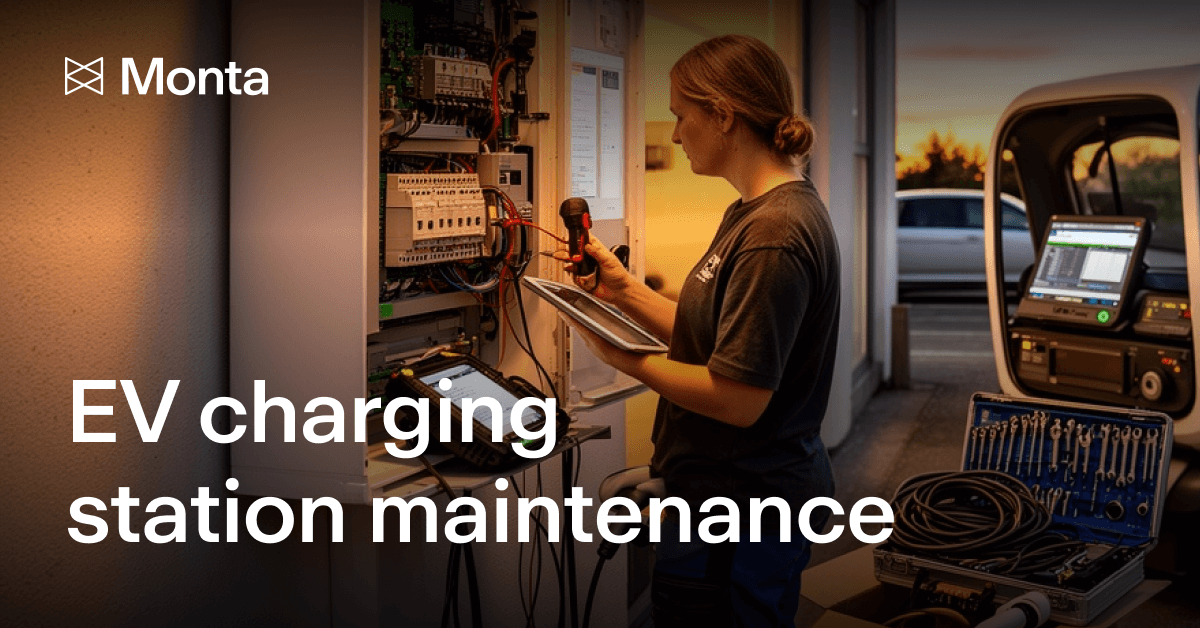
EV charging station maintenance is a comprehensive strategy encompassing the routine inspection, technical servicing, hardware repair, and performance optimisation of electrical supply equipment. Dedicated upkeep programmes ensure the long-term safety and operational reliability of high-voltage dispensers. High uptime remains a critical metric for a positive driver experience and the network’s financial health. Regular servicing mitigates risks associated with electrical wear and environmental degradation. Proactive EV charging station repair management identifies potential faults before they lead to service interruptions or hazardous conditions. Maintaining these systems requires a combination of physical hardware checks and digital software updates. Reliable infrastructure supports the global transition toward sustainable mobility by ensuring dependable energy access. Every EV charge point requires a tailored maintenance schedule based on usage volume and environmental stressors. Professional servicing prevents premature equipment failure and protects property owners’ capital investment. High standards of maintenance ensure consistent power delivery across diverse electric vehicle models.
Why is EV charge point maintenance important?
Maintenance is important because it prevents unplanned downtime and extends the operational lifespan of expensive hardware components. Regular servicing ensures that the equipment complies with national safety standards and building regulations. Proactive care protects the operator’s revenue streams by keeping sockets available for paying customers. Consistent reliability builds user trust and encourages repeat visits to specific charging hubs. Neglecting upkeep leads to hazardous electrical faults and costly emergency repairs. Proper management of the EV charge point is vital for long-term network success.
How is EV charging infrastructure maintained?
EV charging infrastructure is maintained through a combination of remote digital monitoring and on-site scheduled physical inspections. Cloud-based management platforms track real-time performance data to identify anomalies in energy delivery. Technicians perform manual checks of internal thermal systems and protective circuit breakers to ensure safety. Cleaning of external surfaces and ventilation sockets prevents heat buildup during high-speed sessions. Software updates are deployed over-the-air to maintain compatibility with new vehicle protocols. Reliable operation of the complex EV charging infrastructure depends on these integrated service protocols.
What does EV charge point maintenance include?
EV charge point maintenance includes the things listed below.
- Detailed hardware inspection: Technicians examine the internal electrical boards and cooling fans for signs of wear or heat damage. Structural checks verify the integrity of the mounting pedestal and protective housing.
- Cable and connector integrity checks: Inspectors look for exposed wiring, cracks in the insulation, or bent pins in the charging plug. Damaged cables require immediate replacement to prevent fire hazards and ensure safe power transfer.
- Automated firmware updates: Software systems receive regular patches to improve communication protocols with modern electric vehicles. Digital updates address security vulnerabilities and enhance the dispenser’s user interface.
- External surface and ventilation cleaning: Removing dust and debris from cooling vents helps keep the internal electronics within safe temperature limits. A clean exterior improves the brand image and prevents moisture buildup in sensitive areas.
- Technical calibration and performance testing: Measuring the accuracy of the energy meter ensures users are billed correctly for the electricity they consume. Load testing verifies that the unit delivers the rated power without triggering safety shutdowns.
What maintenance do public EV charging stations require?
Public EV charging stations require intensive maintenance due to high utilisation rates and constant exposure to outdoor elements. Vandalism checks and physical security audits prevent unauthorised access to the internal high-voltage components. Cleaning of the touchscreens and payment terminals ensures a seamless transaction experience for diverse users. Heavy usage of the cables necessitates frequent replacement of the connector holsters and retractable mechanisms. Monitoring software detects connectivity issues and payment gateway failures in real-time. Maintaining high uptime at public EV charging stations is essential for urban mobility.
How does maintenance differ for DC fast charge points?
Maintenance for DC fast charge points differs due to the complex liquid-cooling systems required to manage high heat. Technicians monitor coolant levels and inspect pumps to prevent thermal throttling during rapid sessions. High-voltage direct current components demand more rigorous electrical testing than standard alternating current units. Power modules require regular cleaning to prevent dust buildup from interfering with the high-speed energy transfer. Periodic filter replacement ensures optimal airflow in the large power cabinets. Precise servicing is mandatory for every high-power DC fast charge point installation.
How is fleet EV charging equipment maintained?
Fleet EV charging equipment is maintained through strict schedules designed to align with vehicle downtime and operational requirements. Dedicated technicians perform overnight inspections to ensure that delivery vans are ready for morning routes. Load management software undergoes testing to ensure energy costs remain within the operator’s budget. Redundancy checks ensure that a single hardware failure does not disrupt the entire logistics network. Preventive care minimises the risk of delayed shipments caused by uncharged vehicles. Reliable operation supports the logistical efficiency of the fleet EV charging depot.
How often should EV charge points be serviced?
Service frequency depends on the specific hardware type, daily usage volume, and local environmental conditions. Quarterly preventive maintenance represents a common industry standard for high-traffic commercial sites. Annual deep inspections are mandatory to verify the long-term integrity of the electrical grid connection. Rapid charge points in extreme climates require more frequent filter changes and thermal checks than indoor units. Remote monitoring provides data that helps operators decide when to schedule on-site repairs. Consistent intervals protect the reliability of the EV charge point network.
How long does EV charge point maintenance take?
Routine maintenance visits conclude within two to four hours per site for multiple units. Simple inspections (visual checks and cable testing) take less time than complex hardware repairs. Software updates run in the background and do not require a technician’s physical presence. Major servicing for rapid hubs (coolant replacement or module swaps) requires a full day of work. Timelines stay short when the operator uses remote diagnostics to identify the necessary parts before arrival. Efficient servicing minimises public EV charge point downtime.
What causes EV charge points to fail?
The causes of EV charge point failure are listed below.
- Internal electrical faults: Component failure within the power modules or inverters leads to a cessation of energy delivery. Overheating caused by faulty cooling fans triggers safety shutdowns to protect the vehicle battery.
- Complex software glitches: Communication protocol errors between the car and the dispenser prevent a successful handshake. Occasionally, faulty firmware updates cause connectivity issues with the central management platform.
- Mechanical connector wear: Repeated plugging and unplugging lead to bent pins or cracked plastic housings in the charging handle. Physical damage to the cable prevents the secure locking mechanism from engaging properly.
- Harsh environmental exposure: Moisture ingress into the housing causes short circuits or corrosion of sensitive electrical contacts. Extreme temperature fluctuations stress internal components and shorten the lifespan of electronics.
- National grid disturbances: Voltage spikes or frequency fluctuations from power network damage compromise internal surge protectors. External electrical noise interferes with the sensitive data transmission required for smart charging.
What are common EV charge point repair issues?
Common EV charge point repair issues are listed below.
- Snapped or frayed charging cables require immediate replacement to maintain site safety.
- Faulty payment terminals prevent users from initiating a session with their credit cards.
- Tripped circuit breakers or blown fuses result in a complete power loss to the pedestal.
- Broken screen displays make it difficult for drivers to follow instructions or see session data.
- Connectivity failures stop the unit from communicating with the mobile application or backend.
- Cooling pump failures in rapid units cause the system to overheat and shut down.
How do you spot early EV charge point problems?
Spot early problems with remote monitoring software that tracks energy output and session success rates. Error alerts sent from the unit to the management dashboard provide immediate notification of technical anomalies. Performance data analysis reveals gradual declines in power delivery, indicating a pending hardware failure. User feedback from mobile applications highlights physical issues such as broken holsters or damaged screens. Routine visual inspections identify minor rust or cable wear before they become hazardous. Detecting the signs early is vital for EV charge point upkeep.
When does an EV charge point need repair?
An EV charge point needs repair when it fails to initiate a session or delivers power significantly below its rated capacity. Visible damage to the cable, plug, or housing necessitates immediate professional attention to ensure safety. Error codes appearing on the display or the management dashboard indicate an internal technical fault. Strange noises during operation suggest that the cooling fans or pumps are nearing the end of their lifespan. Failure of the payment terminal or RFID reader prevents the site from operating. Prompt action is required for any malfunctioning EV charge point unit.
How are emergency EV charge point repairs handled?
Emergency repairs are handled through rapid-response protocols that prioritise high-traffic and critical infrastructure sites. Remote troubleshooting via the cloud determines whether the issue is a software glitch or a hardware fault. Technicians are dispatched with the necessary spare parts to resolve the problem in a single visit. Prioritising motorway hubs ensures that travellers are not stranded without access to energy. Emergency teams provide 24-hour support to maintain the reliability of the entire network. Fast execution of these tasks is essential for the EV charge point operator.
Can damaged EV charge points be repaired or replaced?
Yes, damaged EV charge points can be repaired by replacing modular components (cables, screens, or power modules). Technicians replace faulty internal components on-site to restore functionality without removing the entire pedestal. Complete replacement of the unit occurs if the structural housing is compromised or if the cost of parts exceeds the value of the hardware. Modern designs facilitate these repairs by using standardised components that are easy to source. Maintaining a stock of spare parts ensures the longevity of the EV charge point installation.
How do EV charging station repair companies work?
Repair companies work by providing professional diagnostics and on-site technical services for malfunctioning equipment. Firms employ certified electricians trained in high-voltage vehicle supply systems and cooling technology. Coordination with hardware manufacturers ensures that all repairs use genuine parts and maintain the valid warranty. Teams manage the procurement and logistics of replacement modules to minimise the downtime for the site. Strategic partnerships allow for rapid deployment across large geographic regions for the EV charge point operator.
What services do EV charging station repair teams provide?
The services EV charging station repair teams provide are listed below.
- Detailed on-site diagnostics: Specialists use advanced testing equipment to isolate the specific cause of a hardware failure. Accurate identification of the fault prevents unnecessary part replacements and reduces overall costs.
- Physical hardware replacement: Teams swap out damaged cables, holsters, and displays to maintain the site’s physical integrity. Professional installation ensures that all new components are securely fitted and weatherproofed.
- Cooling system servicing: Technicians flush and refill liquid-cooled cables and inspect the internal heat exchangers. Proper thermal management is essential for maintaining the high-speed performance of rapid charging hubs.
- Software troubleshooting and integration: Experts resolve communication errors between the dispenser and the central cloud management platform. Ensuring a stable internet connection allows for real-time monitoring and payment processing.
- Electrical safety audits: Post-repair testing verifies that the unit meets all national safety standards for public use. Measuring earth continuity and insulation resistance helps prevent potential hazards to drivers.
Do EV charge point repair companies support multiple charge point brands?
Yes, EV charge point repair companies support multiple charge point brands. Technicians receive training on various internal architectures to provide comprehensive service for diverse networks. Access to a broad supply chain allows the firms to source parts for legacy and modern units. Support for various systems simplifies management for operators with heterogeneous fleets. Flexibility is a key advantage when maintaining multiple charge point brands.
Who is responsible for EV charging station upkeep?
The owner or the facility’s designated operator is responsible for EV charging station upkeep. Site owners who manage their own infrastructure must coordinate all inspections and repairs independently. Fleet operators maintain private depots to ensure their commercial vehicles are ready. Businesses outsource the duties to professional service providers under comprehensive maintenance agreements. Legal contracts clearly outline the EV charge point owner’s obligations regarding safety and uptime.
How do operators reduce EV charge point downtime?
Operators reduce downtime by implementing proactive maintenance schedules and using real-time remote monitoring tools. Digital alerts provide immediate notification of failures, enabling technical teams to respond faster. Predictive analytics identify components that are likely to fail based on usage patterns and environmental data. Maintaining a local inventory of common spare parts (cables and connectors) accelerates the repair process. High uptime ensures the financial viability of the EV charge point network.
How much does EV charge point maintenance cost?
Maintenance costs vary based on the specific hardware type, usage volume, and the level of service required by the operator. Annual preventive care for a standard AC pedestal costs between [£300–£800 ($380–$1,000, €350–€930)]. DC fast charge points require higher investments ranging from £1,500–£4,000 ($1,900–$5,100, €1,750–€4,700) per year due to liquid cooling and high-voltage modules. Expenses include software licensing, routine inspections, and emergency call-out costs. Total ownership expenses are a significant component of EV charging infrastructure costs.
What factors affect EV charging station maintenance costs?
Factors affecting EV charging station maintenance costs are listed below.
- Charge point technology type: A charge point technology type (rapid DC hubs) involves more complex cooling systems and power modules than simple AC pedestals. The sophisticated nature of high-power hardware results in higher service costs and more expensive spare parts.
- Daily usage volume: High utilisation rates increase the wear on cables, connectors, and internal electrical contacts. Units in busy public hubs have daily usage volumes that require more frequent inspections and faster component replacements than those in private charge points.
- Environmental site conditions: Installations near coastal areas or in extreme climates are subject to higher corrosion and thermal-stress rates. Weatherproofing and regular cleaning become more critical and expensive in the challenging environmental site conditions.
How do operators control long-term maintenance costs?
Operators control long-term costs by investing in high-quality hardware with modular, easy-to-service internal designs. Regular preventive care identifies minor issues before they escalate into catastrophic and expensive failures. Standardising equipment across the network enables bulk purchasing of spare parts and simplifies technician training. Using smart software to monitor health metrics prevents unnecessary on-site visits for minor glitches. Proper management ensures the sustainability of the EV charge point network.
Are EV charge point maintenance contracts worth it for businesses?
Yes, EV charge point maintenance contracts are worth it for businesses because they provide financial predictability and guarantee high equipment uptime. Professional agreements ensure that safety inspections are performed on schedule to maintain regulatory compliance. Access to 24-hour support and prioritised repair times protects the operator’s revenue streams. Comprehensive plans include the cost of parts and labour to reduce the impact of unexpected hardware failures. Secure contracts are essential for a reliable EV charge point service.