
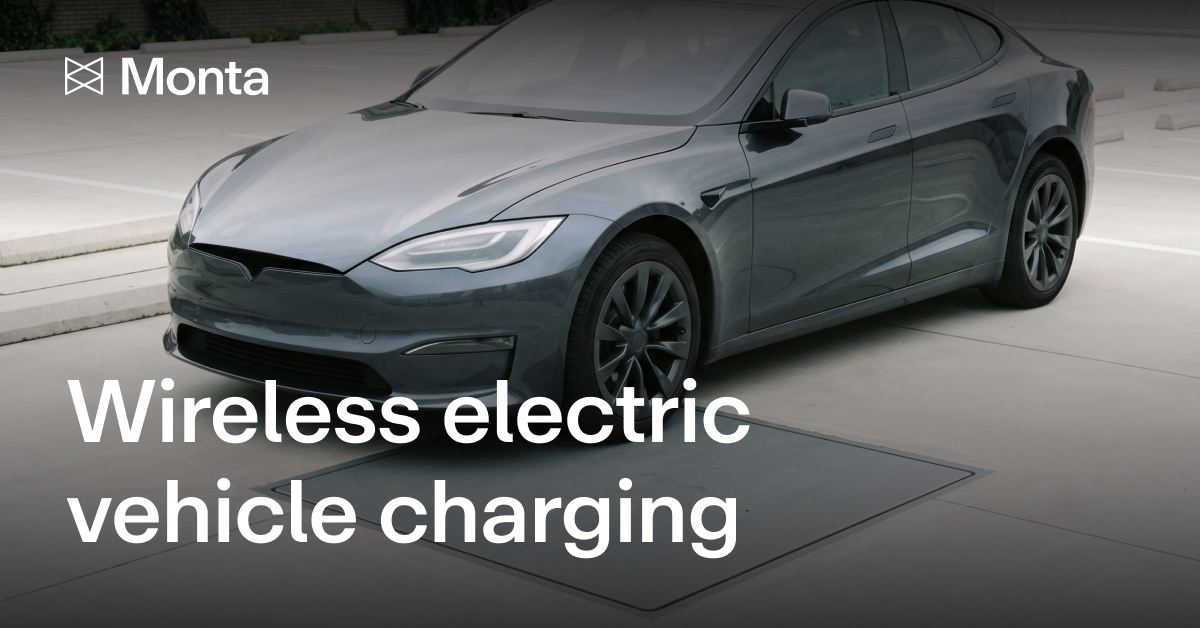
Wireless EV charging is a method of transferring energy from a charging pad to an electric vehicle without physical cables by using electromagnetic fields. The concept of wireless EV charging enables automated energy transfer between infrastructure and vehicles, which removes the need for manual connection and supports seamless daily operation. The term wireless electric vehicle charging refers to inductive systems that improve convenience, accessibility, and charging consistency across residential, commercial, and fleet environments. Ongoing development in wireless charging electric vehicles supports integration with smart mobility systems and autonomous vehicle technologies that rely on hands-free charging. System design includes alignment control, temperature monitoring, and foreign object detection to maintain safe and efficient operation. Continuous advancements in power transfer efficiency and standardisation support broader adoption across different vehicle models and charging environments.
What is wireless EV charging?
Wireless EV charging is a method of charging electric vehicles that uses inductive technology to transfer power between a ground-mounted charging pad and a receiver installed in the vehicle. The system generates a magnetic field that enables energy transfer without direct electrical contact, which removes the need for physical connectors and cables. Automated alignment and control systems manage power delivery, which allows safe and convenient charging in residential, commercial, and public environments.
How does inductive charging work for electric vehicles?
Inductive charging for electric vehicles works by transferring energy wirelessly through electromagnetic fields between a ground-mounted charging pad and a receiver installed on the vehicle. An alternating current flows through a coil in the ground pad, which generates a magnetic field that induces a corresponding current in the vehicle’s receiver coil. The system converts the induced current into usable electrical energy to charge the battery while maintaining controlled alignment, temperature, and safety conditions during operation.
Where can wireless EV charging be used?
Wireless EV charging can be used through the following.
- Residential homes: Deployment in residential homes supports convenient daily charging without cables, which simplifies overnight charging and routine vehicle use in private driveways or garages.
- Car parks and garages: Installation in car parks and garages enables automated charging for vehicles during extended parking periods. Commercial buildings and multi-level car parks benefit from consistent charging access without manual connection.
- Commercial areas: Use in commercial areas supports customer and employee charging within retail centres, offices, and business parks. Integrated charging pads provide seamless energy transfer while vehicles remain parked during visits.
- Public roads and urban infrastructure: Integration within public roads and urban infrastructure allows fixed-position wireless charging at designated locations such as taxi ranks, bus stops, and traffic points. Charging occurs during short stops within urban mobility systems.
- Dynamic charging lanes: The development of dynamic charging lanes enables vehicles to receive power while moving along electrified road sections. Pilot systems demonstrate continuous charging capability that supports an extended driving range without stopping.
Is wireless charging suitable for residential use?
Yes. Wireless EV charging is suitable for residential use because it provides convenient, automated charging without the need for cables or manual connection. Installation requires a ground charging pad, a compatible vehicle receiver, and proper electrical integration, which supports reliable daily charging at home. The system simplifies parking and charging routines, which benefits households and shared living environments where ease of use is important, particularly in settings that require managed EV charging for apartments. Higher installation cost compared with wired charge points remains a key consideration for residential adoption.
What are the benefits of wireless EV charging?
The benefits of wireless EV charging are listed below.
- Ease of use: Convenience improves through wireless charging systems that eliminate the need for cables and manual connections. Charging begins automatically when a vehicle is positioned over the charging pad, which simplifies daily operation.
- Reduced wear on connectors: Equipment lifespan improves because wireless charging removes physical connectors and cables that experience repeated handling and mechanical stress. Absence of plug-in components reduces maintenance requirements and lowers failure risk.
- Improved accessibility: Charging access improves for drivers with limited mobility because wireless systems remove the need to lift, carry, or connect charging cables. Parking alignment replaces manual interaction, which supports inclusive charging use.
- Automated charging experience: Operational efficiency increases through automated charging that activates without driver intervention. Integrated systems manage energy transfer, which enables consistent and hands-free charging across residential, commercial, and fleet environments.
- Enhanced safety: Electrical safety improves because wireless systems operate without exposed conductive contacts. Sealed components and controlled energy transfer reduce the risk of electrical hazards during charging sessions.
Who can benefit from wireless EV charging?
Individuals and industries that can benefit from wireless EV charging are listed below.
- EV owners: Convenience for EV owners improves through wireless charging systems that remove the need for cables and manual connection. Daily charging becomes simpler and more consistent, particularly in residential settings where vehicles are parked regularly.
- Businesses and commercial properties: Operational value for businesses and commercial property owners increases through wireless charging that supports customer access and reduces equipment handling. Charging solutions can be integrated into parking areas to provide seamless service for visitors and employees.
- Fleet operators: Efficiency for fleet operators improves through automated charging processes that reduce manual intervention and support scheduled charging routines. Wireless systems help maintain consistent vehicle availability and streamline operations across managed fleets.
- Users with mobility challenges: Accessibility for users with mobility challenges improves because wireless charging removes the need to handle heavy cables or reach charging ports. Charging access becomes easier and more inclusive across residential and public charging environments.
How can fleets benefit from wireless EV charging?
Fleets benefit from wireless EV charging through automated charging processes that remove manual plug-in tasks and support continuous vehicle operation. Inductive charging systems allow vehicles to charge during scheduled stops or parking without driver intervention, which improves operational efficiency and reduces downtime across an EV fleet. The system supports consistent charging routines, reduces wear on connectors, and lowers maintenance requirements associated with physical charging equipment. Automated energy transfer and centralised control improve scheduling, support predictable vehicle availability, and streamline charging operations for fleet management.
How efficient is wireless EV charging compared to wired charging?
Wireless EV charging is slightly less efficient than wired charging because energy is lost during inductive power transfer between the ground pad and the vehicle receiver. Typical efficiency ranges from about 85% to 93%, while wired systems often achieve around 95% to 99% efficiency across common EV charge point types. Energy loss results from air gaps, alignment variation, and electromagnetic transfer processes. Modern system design improves coil alignment, power electronics, and control algorithms, which narrows the efficiency gap and brings wireless performance closer to wired charging levels.
What power levels can wireless EV charging deliver?
Wireless EV charging delivers power levels ranging from about 3 kW to 11 kW for most residential and light commercial systems, with higher-capacity systems reaching up to around 22 kW in advanced deployments. Power output aligns with AC charging performance and supports steady overnight charging rather than rapid energy transfer. The range fits within broader EV charging levels that define moderate charging speeds suitable for homes, workplaces, and fleet depots. Higher-power wireless systems remain in development to support faster charging, although current installations prioritise efficiency, safety, and consistent energy delivery.
How reliable are wireless EV charging systems?
Wireless EV charging systems are highly reliable because sealed hardware, solid-state electronics, and continuous monitoring maintain stable operation across varied environments. Inductive power transfer removes exposed contacts, which reduces wear and corrosion and lowers failure rates compared with plug-based systems. Alignment controls, temperature sensors, and foreign object detection maintain safe and consistent energy transfer during each session. Operational reliability depends on correct installation and calibration, with mature systems achieving high uptime in residential and fleet deployments.
Can wireless charging work in all weather conditions?
Yes, wireless charging works in all weather conditions. Wireless EV charging systems are designed to operate in all weather conditions because sealed components and protective enclosures prevent exposure to rain, dust, and temperature variations. Inductive charging pads and vehicle receivers function without exposed electrical contacts, which reduces risk in wet or harsh environments. Performance remains stable across typical outdoor conditions, although extreme cold or heat can affect efficiency and energy transfer rates. Durable system design ensures reliable operation across residential, commercial, and public installations.
What infrastructure is required for wireless EV charging?
Wireless EV charging requires a ground-mounted charging pad, a compatible vehicle receiver installed on the electric vehicle, and a connection to the electrical supply that delivers power to the system. The setup forms part of a broader EV charging infrastructure, which integrates power delivery, control systems, and communication between the charge point and the vehicle. Installation often requires site preparation (for example, surface modification or embedded mounting), electrical wiring, and system calibration to ensure accurate alignment and efficient energy transfer. Integration with existing power systems supports stable operation and allows the charging system to function safely within residential, commercial, or fleet environments.
How much does it cost to install wireless EV charging?
Wireless EV charging installation typically costs between £2,000 and £5,000 ($2,500–$6,250, €2,300–€5,800) for residential systems, depending on equipment type, site conditions, and installation complexity. Higher costs result from specialised components (for instance, ground charging pads, vehicle receivers, and alignment systems) and additional electrical work compared with standard charge points. Installation may require surface modification, electrical integration, and system calibration to ensure efficient energy transfer. Total cost increases for commercial or high-power installations due to larger systems and infrastructure requirements, while residential setups remain within the lower end of the range.
Is wireless charging more expensive than traditional charge points?
Yes. Wireless EV charging is more expensive than traditional wired charge points due to higher equipment costs, installation complexity, and lower energy efficiency. Inductive charging systems require ground pads, vehicle receivers, and precise alignment technology, which increases total system cost compared with standard AC charge points. Installation typically ranges from £2,000 to £5,000 ($2,500–$6,250, €2,300–€5,800), while wired Level 2 charge points generally cost between £800 and £2,000 ($1,000–$2,500, €930–€2,300). Lower efficiency in wireless systems can increase electricity usage over time, which adds to the overall operating cost.
How does wireless EV charging compare to Level 2 charging?
Wireless EV charging compares to Level 2 charging in power output, efficiency, and installation cost across typical residential use cases. Wireless systems deliver power at levels similar to AC charge points, which supports steady overnight charging without physical cables. Conventional Level 2 charging provides higher energy transfer efficiency and lower installation cost, which makes it more cost-effective for most users. Wireless charging prioritises convenience and automation, while Level 2 charging offers greater practicality, reliability, and broader compatibility across vehicles and home installations.
How does wireless EV charging compare to DC fast charging?
Wireless EV charging differs from DC fast charging in power delivery, efficiency, and use case. Wireless systems use inductive energy transfer between a ground pad and a vehicle receiver, which results in lower power levels and slower charging speeds suited to convenience-based residential or fleet applications. High-power DC fast charging delivers direct current at significantly higher levels, which enables rapid charging within minutes and supports long-distance travel and commercial operations. Wireless charging prioritises ease of use and automation, while DC fast charging focuses on speed and high-capacity energy delivery.
Should I choose wireless or wired EV charging for my home?
Yes, you should choose wired EV charging for your home. Wired EV charging is the better choice for most homes because it provides higher efficiency, lower installation cost, and wider compatibility with electric vehicles. Wireless systems offer convenience, although higher equipment costs and lower efficiency limit practical use in residential settings. A wired solution using dedicated AC charge points delivers reliable daily charging, while Level 1 charging remains a basic option for light use through a standard household socket. Home charging requirements, budget, and vehicle compatibility determine the most suitable setup for consistent and cost-effective charging.
What is the future of wireless EV charging?
The future of wireless EV charging will involve higher power levels, improved efficiency, and the development of dynamic charging systems that allow vehicles to charge while driving. Advances in inductive technology will support faster energy transfer and broader compatibility across vehicle models, which expands practical use beyond stationary charging. Integration with smart city infrastructure and autonomous vehicle systems will enable automated charging without driver interaction, which improves operational efficiency for urban mobility and fleet services. Continued innovation in wireless systems will shape the future of EV charging by reducing reliance on cables and enabling seamless energy delivery across transport networks.
Is wireless EV charging available today?
Yes. Wireless EV charging is available today through limited commercial deployments and pilot programmes in residential, fleet, and public environments. Inductive charging systems use ground-mounted pads and vehicle receivers to transfer energy without physical cables. Current installations focus on convenience use cases, although adoption remains lower than wired charge points due to higher installation costs and limited vehicle compatibility.
Is wireless EV charging safe for users and vehicles?
Yes. Wireless EV charging is safe for users and vehicles when systems meet certified safety standards and operate within regulated electromagnetic limits. Inductive charging systems transfer energy through magnetic fields between ground pads and vehicle receivers, which eliminates exposed electrical contacts and reduces shock risk. Safety mechanisms monitor alignment, temperature, and foreign objects to prevent overheating or energy loss during operation. Compliance with electrical and electromagnetic standards ensures reliable performance and safe operation across approved installations.