Intelligent energy management for network operators
Most operators hit a ceiling — not from lack of demand, but from electrical constraints. Monta’s energy management removes that ceiling: more charge points, same fuse, lower cost per session.
Book a demo




Run every energy capability on one infrastructure

Load Management
Distribute power across all charge points within your site’s fuse limit — automatically. Add more chargers without upgrading your electrical connection or risking a trip.

Smart Charging
Schedule sessions based on day-ahead energy prices, carbon intensity, or renewable availability. Optimize for cost savings, low emissions, or renewable share.

Charge Intents
Set a target charge level and departure time per session. Monta ensures every vehicle is ready when needed — scheduling optimally within those parameters.

Demand Charging
Monitor peak power as it accumulates and set caps to prevent expensive demand charge spikes before they happen.

Energy Integrations
Connect external meters, solar inverters, and grid signals. Perific, ABB ModBus, MQTT, Viocon; integrate the data sources your site already has.

Built to lower costs and grow revenue
Plug in the meters you already run
Real-time power measurement for dynamic load management.

MQTT meters
Connect any MQTT-capable meter to Monta’s broker. Most flexible option for custom hardware deployments. Publishes power data in real-time for load balancing calculations.

Perific meters
Wi-Fi connected meters reporting via Perific cloud backend. Commonly paired with Easee charge points for local load management. Auto-discovery after credential configuration

ABB ModBus meters
Connected to charge points via ModBus protocol. Sends meter data through OCPP DataTransfer messages. Requires charge point DataTransfer support.

Viocon meters
Viocon-specific integration with cloud-based reporting. Similar deployment pattern to Perific with automated meter discovery.
Trade spreadsheets for real-time control
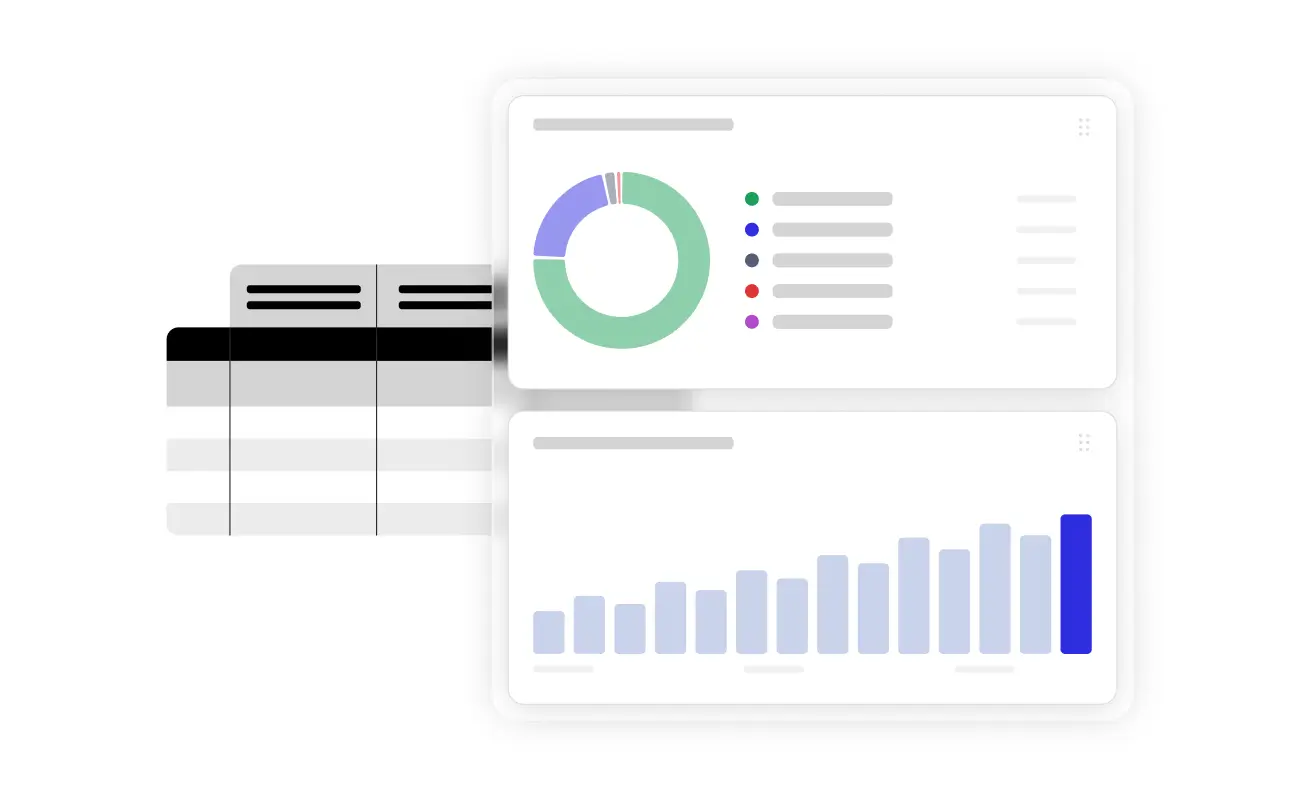
Manage your whole network from one place:
- Bulk controls — update power settings network-wide, no editing configs one by one
- Scheduled power limits — set limits in advance instead of reacting after the fact
- Live dashboards — see real-time power data, no chasing meter readings
- One UI for troubleshooting — when a meter goes offline or an inverter stops reporting, fix it where you already handle uptime, diagnostics, and driver support
Add energy capabilities without adding complexity

One login
For energy and operations. No separate systems to manage. Access load management, smart charging, solar integration, demand control, and all operational tools from a single interface.

One data model
Session, site, and energy data. All addressable via API. Pull charging sessions, power limits, meter readings, and optimization settings through the same data structure you already use.

One troubleshooting UI
External meters, solar, and charge points. Single pane of glass. When an external meter goes offline or a solar inverter stops reporting, you handle it in the same place you troubleshoot uptime and driver issues.
FAQs
Energy management for EV charging controls how electrical power is distributed to charge points, when charging sessions happen, and how energy costs are monitored. It includes load management to prevent fuse trips, smart charging to optimize session timing based on price or carbon signals, solar integration to use surplus renewable energy, and demand charging controls to cap peak power costs.
Start with what hurts today. Hitting fuse limits or breaker trips: load management. Demand charges spiking unexpectedly: demand control. Drivers complaining about slow charging during peak hours: smart charging or load management. Solar panels on site going unused: solar integration. Most operators layer features over time, load management first, then smart charging or solar as the network scales.
Yes. Load management sets the power limit. Smart charging schedules when sessions start within that limit. Solar integration adjusts power in real time to match available surplus. Demand control caps the maximum draw to prevent cost spikes. They are designed to work as layers, each capability respects the constraints set by the others.
Load management requires Pro, Business, or Enterprise plans. Smart charging and solar integration are available across plans depending on the charge point type (private or public). Demand charging and advanced energy integrations are Enterprise-tier features. Check the plan comparison or talk to sales if you are unsure which features your current plan includes.
If you already use Monta for charge point management, energy management is configuration, not a separate product. Set up your site topology in the Energy Portal, define power limits or meter connections, and choose which optimization mode (smart charging, solar, demand caps) fits your operation. If you are new to Monta, book a demo and we will walk through your site requirements and plan fit.